
Quick price summary: Cafes in Singapore (2026)
- Low end: SGD $80,000 – $150,000 (small kiosk or takeaway-only setup)
- Mid-range: SGD $150,000 – $350,000 (full-service café with dine-in)
- High end / enterprise: SGD $350,000 – $600,000+ (specialty or multi-concept café)
Prices in Singapore local currency. Last updated 2026.
Opening a café in Singapore involves a significant financial commitment that extends well beyond buying an espresso machine and signing a lease. The total outlay covers business registration, location fit-out, equipment procurement, staffing, licences, and ongoing operational costs that recur every month regardless of how many customers walk through the door. Understanding each cost category before you commit means fewer surprises once operations begin.
Costs vary considerably depending on whether you are setting up a compact takeaway kiosk in a heartland mall, a specialty coffee bar in a shophouse along Tiong Bahru, or a full dine-in concept in a prime Orchard Road space. The type of menu, seating capacity, and the fit-out standard you choose all push the numbers in different directions. This guide breaks down realistic figures for 2026 across every major cost category so you can plan with confidence.
What Do Cafes Cost in Singapore?
A realistic starting budget for a small café in Singapore sits between SGD $80,000 and $150,000 for a bare-bones kiosk or takeaway counter with minimal seating. A mid-range dine-in café with 20 to 40 seats, a commercial espresso setup, and a modest food menu typically requires SGD $150,000 to $350,000 to open, covering renovation, equipment, deposits, licences, and the first two to three months of operating capital. At the premium end, a specialty café with high-end fit-out, imported equipment, and a curated concept in a central business district or heritage shophouse can easily exceed SGD $500,000 before the first cup of coffee is served.
Monthly recurring costs are equally important to model. A mid-sized café in a suburban shopping mall can expect to spend SGD $15,000 to $35,000 per month on rent alone, with total monthly operational costs including staff, supplies, utilities, and insurance commonly ranging from SGD $40,000 to $80,000. Locations in prime districts push those figures significantly higher. Getting a clear picture of both the upfront capital and the monthly burn rate is essential before choosing a space.
Price Breakdown by Service Level
| Service Level | What You Get | Typical Price Range (Setup) | Best For |
|---|---|---|---|
| Basic / Kiosk | Small takeaway counter, limited seating, basic espresso machine, minimal renovation, one to two staff | SGD $80,000 – $150,000 | First-time operators testing a concept, food court or mall kiosk formats |
| Standard Dine-In | 20 to 40 seats, commercial espresso and brewing equipment, mid-range fit-out, three to five staff, full food and beverage menu | SGD $150,000 – $250,000 | Neighbourhood cafés, HDB estate or suburban mall locations |
| Premium Full-Service | 40 to 80 seats, imported specialty equipment, high-spec interior design, experienced baristas and kitchen staff, curated menu | SGD $250,000 – $400,000 | Specialty coffee concepts, lifestyle precincts, established operators expanding |
| High-End / Multi-Concept | 80+ seats or multiple zones, full kitchen, architect-designed space, premium imported fittings, six or more staff, potential retail component | SGD $400,000 – $600,000+ | Flagship locations, CBD or Orchard Road, brand-led concepts with strong investor backing |
What Affects the Cost of Cafes in Singapore?
Location and Rental
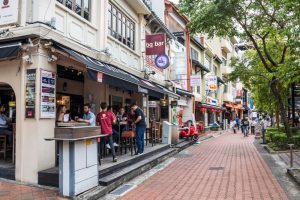
Rental is typically the single largest recurring cost and one of the biggest variables in your total budget. A shophouse in Tiong Bahru or Duxton Hill can command SGD $8,000 to $15,000 per month for a small ground-floor space, while a unit in a Orchard Road mall may reach SGD $25,000 to $50,000 or more depending on the floor area and footfall guarantees required by the landlord. Security deposits usually cover two to three months of rent, which means SGD $30,000 to $90,000 is tied up before you open. Choosing the right location requires balancing foot traffic, target customer profile, and what the monthly rental leaves behind for profit.
Renovation and Aesthetics
Fit-out costs in Singapore range from approximately SGD $50 per square foot for a basic refresh to SGD $300 per square foot or more for a fully designed specialty concept. A 600-square-foot café with mid-range finishes typically costs SGD $80,000 to $150,000 to renovate, including flooring, lighting, counter fabrication, electrical works, and air conditioning. Landlords sometimes offer a rent-free fit-out period of one to two months, which can offset some costs, but this is not guaranteed and varies by negotiation.
Equipment
Commercial café equipment represents a significant upfront investment. A quality commercial espresso machine starts at around SGD $8,000 for a reliable entry-level model and can exceed SGD $30,000 for a high-end imported unit. Add grinders (SGD $1,200 to $3,000 each), a commercial refrigerator (SGD $1,500 to $5,000), a food display cabinet, a point-of-sale system, and kitchen equipment if you serve food, and the total equipment budget for a standard café is typically SGD $20,000 to $60,000. Leasing equipment reduces upfront costs but increases monthly operational expenses.
Staffing
Staff costs are the second-largest recurring expense after rent. A full-time barista in Singapore earns SGD $1,800 to $3,000 per month depending on experience, while a café manager with several years of experience commands SGD $3,500 to $5,000. Part-time staff cost approximately SGD $8 to $12 per hour. A café operating with four to six staff members can expect a monthly payroll of SGD $10,000 to $20,000 before Central Provident Fund contributions, which add approximately 17% on top for local employees. Recruiting and training staff adds further upfront costs, particularly if you require baristas with specialty coffee skills.
Licences and Registration
Operating a café legally in Singapore requires a food shop licence from the Singapore Food Agency, which costs SGD $300 to $600 per year depending on the type of food service. If you intend to serve alcohol, a liquor licence adds further costs and compliance requirements. Business registration with ACRA (the Accounting and Corporate Regulatory Authority) for a private limited company costs approximately SGD $300 to $600 in registration fees, with annual filing obligations that add to the corporate regulatory cost each year. Factor in public liability insurance, which typically runs SGD $1,200 to $3,000 annually for a small café.
How to Get Accurate Quotes
- Define your concept clearly before approaching any contractor or equipment supplier. Know your approximate floor area, seating capacity, menu scope, and target opening date. Vague briefs produce vague quotes.
- Get at least three renovation quotes from contractors with demonstrated experience fitting out food and beverage spaces in Singapore. Ask to see previous café projects and request itemised breakdowns rather than lump-sum figures.
- Contact equipment suppliers directly for current pricing on espresso machines, grinders, and refrigeration. Prices shift with exchange rates, and 2026 figures may differ from what you find in older references. Ask about service contracts and warranty terms at the same time.
- Speak with a commercial real estate agent who specialises in food and beverage tenancies. They can give you realistic rental benchmarks for your target area and flag any gross-rent versus net-rent distinctions that affect your true monthly cost.
- Consult an accountant or business advisor familiar with Singapore’s food and beverage sector before signing any lease. They can stress-test your monthly cash flow projections against realistic revenue assumptions and flag regulatory or corporate compliance obligations you may have overlooked.
Red Flags to Watch Out For
- A contractor quoting substantially below every other tender without a clear explanation. Under-specification, unlicensed works, or the use of substandard materials are common reasons for suspiciously low renovation quotes.
- Landlords who are reluctant to provide a full copy of the tenancy agreement before signing, or who add last-minute clauses about permitted use, operating hours, or sub-letting restrictions.
- Equipment suppliers who cannot provide local after-sales support or authorised service agents. Imported machines with no local technicians are a liability when your commercial espresso machine breaks down during a busy weekend.
- Business advisors or café consultants who guarantee revenue targets or specific payback periods. No reputable advisor can promise returns in the food and beverage sector, which has one of the highest failure rates of any business category in Singapore.
- Lease agreements that bundle service charges, promotional levies, or turnover rent without clearly itemising what each component costs. Some mall leases charge a base rent plus a percentage of monthly turnover, which can substantially increase your effective monthly rent once the business gains volume.
- Staff recruitment agencies that charge upfront placement fees without providing any probationary replacement guarantee. Café staff turnover in Singapore is high, and paying a full placement fee for a hire who leaves within 30 days is a common and avoidable loss.
Frequently Asked Questions
How much do cafes cost in Singapore on average?
A realistic average setup cost for a mid-range café with dine-in seating in Singapore sits between SGD $150,000 and $300,000. This covers renovation, equipment, deposits, licences, and enough working capital to sustain operations for two to three months before the business reaches breakeven. Smaller kiosk formats can come in under SGD $100,000, while premium concepts in central locations regularly exceed SGD $400,000.
Why are some cafes prices so much cheaper?
Lower setup costs generally reflect trade-offs in one or more areas: a smaller or less prominent location, minimal renovation using existing fittings, second-hand or entry-level equipment, a very limited menu that reduces kitchen requirements, or a takeaway-only format that eliminates the need for extensive seating and service staff. Some operators also underestimate recurring costs when presenting a low startup figure, which can make a concept appear cheaper to launch than it actually is to sustain.
Is it worth paying more for cafes in Singapore?
Spending more on a well-chosen location, quality equipment, and an experienced team generally produces better long-term results than cutting costs across all three. The cafés that struggle most in Singapore are typically those that chose a cheaper location with insufficient foot traffic, bought equipment that required frequent repairs, or under-staffed operations to save on payroll. A higher upfront investment in the right fundamentals tends to reduce operational friction and give the business a better chance of reaching sustainable revenue within the first 12 months.
Opening a café in Singapore requires careful planning across a wide range of cost categories, from the initial ACRA registration and SFA licences through to the monthly rent, staffing, and consumables that recur regardless of trading conditions. The businesses that succeed are those that model their full cost base honestly before signing a lease, seek multiple quotes for renovation and equipment, and maintain enough working capital to absorb the slower months that almost every new café experiences in its first year.
For a curated list of top-rated providers, see our guide: Best Cafes in Singapore (2026).