Quick price summary: Spas in Singapore (2026)
- Low end: SGD $38 – $68 per session
- Mid-range: SGD $70 – $150 per session
- High end / enterprise: SGD $160 – $350+ per session
Prices in Singapore local currency. Last updated 2026.
Singapore’s spa scene spans everything from no-frills neighbourhood massage parlours to full wellness destinations offering multi-step skin, body, and therapy programmes. A single visit might cover a focused deep tissue massage, a slimming body wrap, a facial treatment, or a combination of all three. Because the service category is so broad, comparing prices without understanding what each tier actually delivers can lead to disappointment on both ends of the spectrum.
Costs vary for several practical reasons: therapist qualifications, the type of treatment (manual massage versus non-invasive body sculpting or microdermabrasion facial), product quality, location, and whether the spa operates as a standalone wellness clinic or as part of a hotel. A 60-minute signature massage at a CBD boutique spa will carry a very different price tag than the same duration at a heartland wellness centre, even if both deliver genuine skill and care.
What Do Spas Cost in Singapore?
Entry-level sessions start at around SGD $38 to $68 for a standard 60-minute massage, covering options such as Swedish, acupressure (oil-free), or basic aromatherapy. Mid-range spas typically price their signature treatments between SGD $70 and $150, with services like guasha orthopaedic therapy, bojin facial meridian work, head meridian therapy with aromatherapy and LED hair serum infusion, and manual lymphatic drainage (MLD) falling into this bracket. Premium and medically adjacent treatments, including non-invasive slimming, chi nei tsang anti-ageing massage, moxa massage, and body sculpting programmes designed to tone muscles and reduce fat, generally run from SGD $160 to $350 or more per session.
Add-on therapy increments are common across all tiers. A 15-minute add-on typically costs around SGD $28 (approximately $30.52 with GST), while a 30-minute extension runs roughly SGD $43 (approximately $46.87 with GST). Package deals and membership plans can bring per-session costs down by 20 to 40 per cent, making them worth evaluating if you plan to visit regularly.
Price Breakdown by Service Level
| Service Level | What You Get | Typical Price Range | Best For |
|---|---|---|---|
| Basic | 60-minute Swedish, acupressure, or tension relief massage; no add-ons; standard products | SGD $38 – $68 | Routine muscle relief, budget-conscious visitors |
| Standard | Signature massage (deep tissue, 4P relief), guasha, bojin, basic facial, head therapy; quality essential oils | SGD $70 – $130 | Regular wellness maintenance, skin and muscle care |
| Premium | MLD massage, chi nei tsang, slimming body wraps, bojin MLD wrap to remove toxins and expel water retention, advanced facial with microdermabrasion or LED; curated product lines | SGD $140 – $220 | Targeted body goals, skin tone, fat reduction support |
| High End / Custom | Non-invasive body contouring, approved alternative injection-adjacent wellness protocols, multi-step face and body programmes, dedicated therapist, premium consumables | SGD $230 – $350+ | Aesthetic goals, musculoskeletal rehabilitation, spa memberships |
What Affects the Cost of Spas in Singapore?
Treatment type and technique
A manual deep tissue massage requires trained hands and time. Non-invasive slimming and body sculpting treatments that use equipment to tone muscles and reduce fat carry equipment depreciation and consumable costs, which push prices higher. Specialised therapies like guasha, bojin orthopaedic work, and chi nei tsang anti-ageing massage require certified practitioners, adding further to the fee.
Therapist qualifications and experience
Spas employing therapists with formal certification in areas such as manual lymphatic drainage, traditional Chinese medicine-based meridian therapy, or musculoskeletal treatment will charge more than general wellness centres. The skill gap is real: poorly executed deep tissue work or guasha on someone with existing musculoskeletal problems can cause more harm than good.
Location and premises
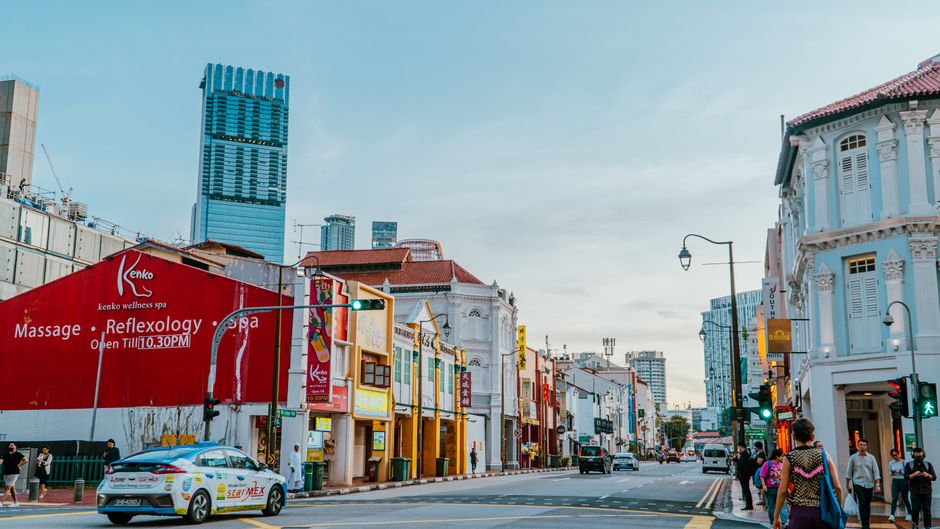
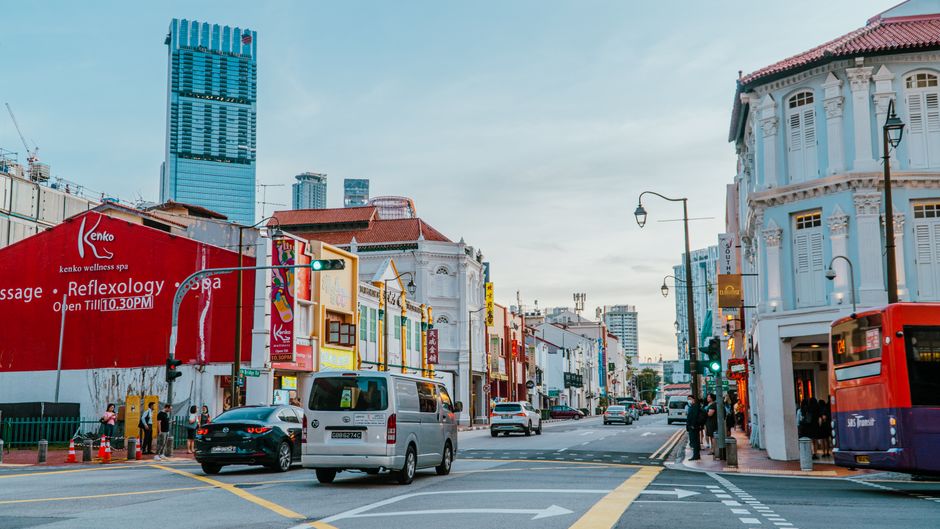
A spa in Orchard Road or Marina Bay will factor higher rent into its pricing. Neighbourhood spas in areas like Toa Payoh or Tampines typically offer the same core services at 20 to 35 per cent lower prices. Hotel spas add a premium for the facility, ambience, and brand association.
Products and technology used
Treatments using imported aromatherapy oils, clinical-grade skincare, or approved technology for non-invasive fat reduction cost more to deliver. A facial using medical-grade equipment for microdermabrasion, skin clearing, or LED therapy will be priced accordingly. Budget spas use lower-cost product ranges, which is fine for relaxation but less suitable for specific skin or body outcomes.
Session length and add-ons
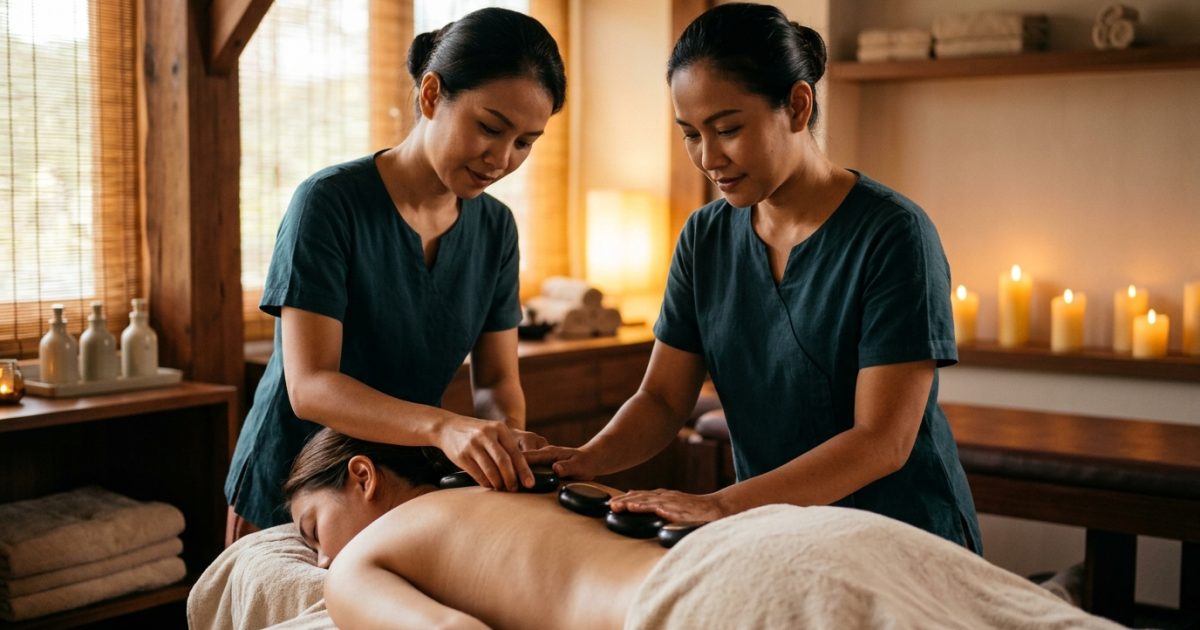
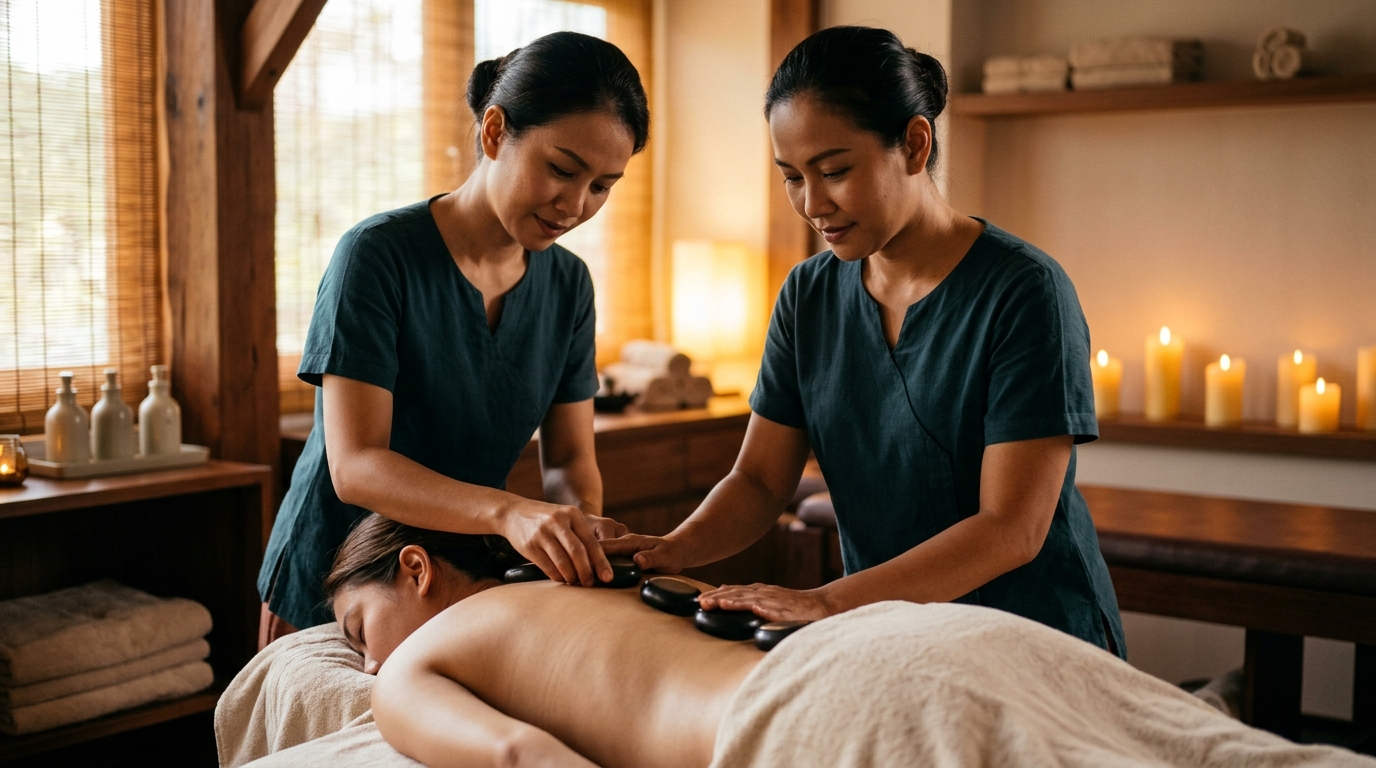
Most base prices apply to a 60-minute session. Moving to 90 minutes typically adds SGD $30 to $60 depending on the tier. Package add-ons such as a hot stone upgrade, slimming wrap, or scalp therapy with aromatherapy and LED hair serum infusion are priced separately and can quickly increase the total cost of a visit.
How to Get Accurate Quotes
- Identify your primary goal before contacting a spa. Are you seeking tension and stress relief, skin improvement (facial, tone, clear complexion), slimming, or musculoskeletal therapy? This narrows the tier and type of treatment you need.
- Request an itemised quote that separates the base treatment, product costs, GST, and any add-on therapy charges. Prices listed on websites are often pre-GST, so factor in the additional 9 per cent.
- Ask about package pricing. Most mid-range and premium spas offer 5 or 10-session packages for treatments like MLD, slimming, or facial programmes, which reduce the per-session cost substantially.
- Confirm the therapist’s qualifications for specialised treatments. For bojin, guasha orthopaedic work, or any non-invasive body treatment, ask whether the staff hold relevant certifications.
- Check for promotional rates on booking platforms and the spa’s own app or membership programme before committing to walk-in pricing.
Red Flags to Watch Out For
- Prices significantly below SGD $38 for a 60-minute session with no clear explanation. Unsustainably low rates often reflect unqualified staff, low-grade products, or high-pressure upselling once you are inside.
- No clear breakdown of GST. Responsible spas display both pre-GST and post-GST pricing, as required under Singapore consumer guidelines.
- Therapists unable to explain the technique they are using or its intended benefit. A credible practitioner delivering deep tissue, guasha, or head meridian therapy should be able to describe the process clearly.
- Aggressive upselling of packages during or immediately after a first session. Reputable spas allow you to evaluate results before committing to a multi-session programme.
- No consultation process for clients with health conditions. Any spa offering non-invasive slimming, approved alternative wellness protocols, or treatments relevant to clients with musculoskeletal problems should conduct a basic intake assessment.
- No physical address or verifiable business registration. In Singapore, legitimate spa businesses should be traceable via ACRA and operate from a fixed, inspectable premises.

Frequently Asked Questions
How much do spas cost in Singapore on average?
A standard 60-minute spa session in Singapore costs between SGD $50 and $120 on average, depending on the treatment type and location. Signature massages, facial treatments, and therapy-based services like MLD or guasha typically sit in the SGD $68 to $130 range. Premium and non-invasive body treatments start at around SGD $150 and can exceed SGD $300 per session.
Why are some spas prices so much cheaper?
Lower prices usually reflect shorter session times, less experienced therapists, basic product ranges, or a simpler facility. Some heartland and neighbourhood spas genuinely offer good value because their overheads are lower, not because quality is compromised. The concern arises with prices that fall well below market rate for specialised treatments like deep tissue, MLD, or non-invasive body sculpting, where technique and product quality directly affect results and safety.
Is it worth paying more for spas in Singapore?
For general relaxation and tension relief, a mid-range spa delivering consistent technique is sufficient for most people. Where it becomes worth spending more is when you have a specific goal: reducing fat through non-invasive treatment, addressing musculoskeletal problems caused by desk work, improving skin tone and clarity through targeted facial therapy, or managing a chronic wellness condition. In those cases, therapist qualification and treatment quality have a direct impact on outcomes, and the price difference is justified.
Singapore has a well-developed spa and wellness industry with options across every budget, from SGD $38 acupressure sessions to SGD $300-plus multi-step wellness programmes. Getting value from whichever tier you choose comes down to matching the treatment to your actual goal, verifying therapist credentials for specialised services, and reading total pricing including GST before you book.
For a curated list of top-rated providers, see our guide: Best Spas in Singapore (2026).