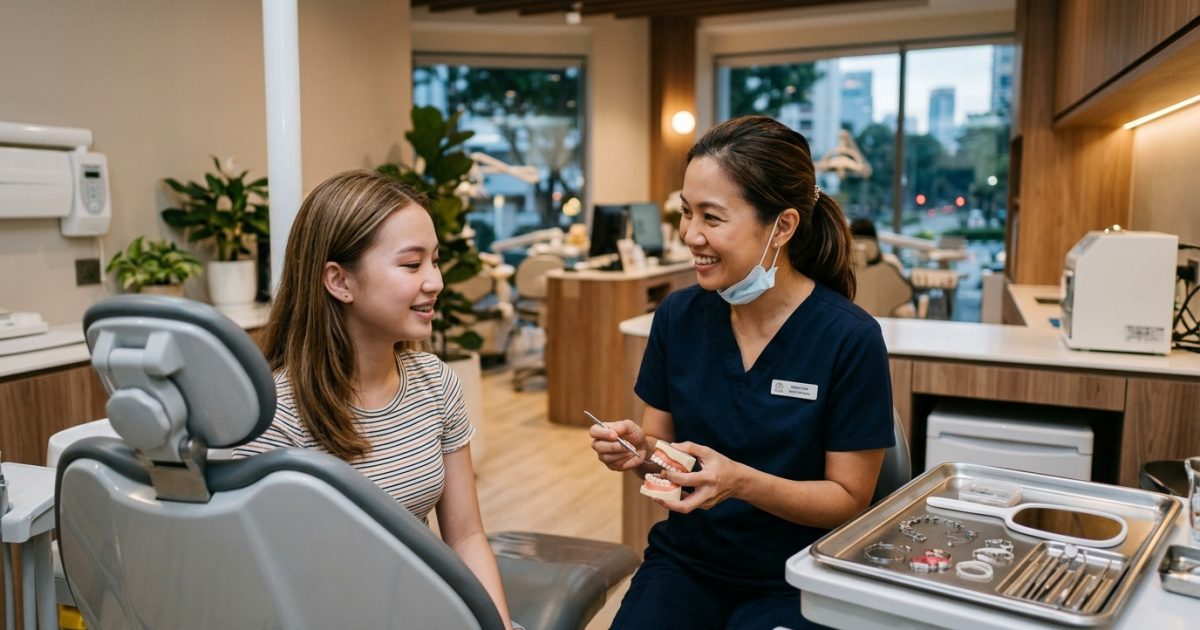
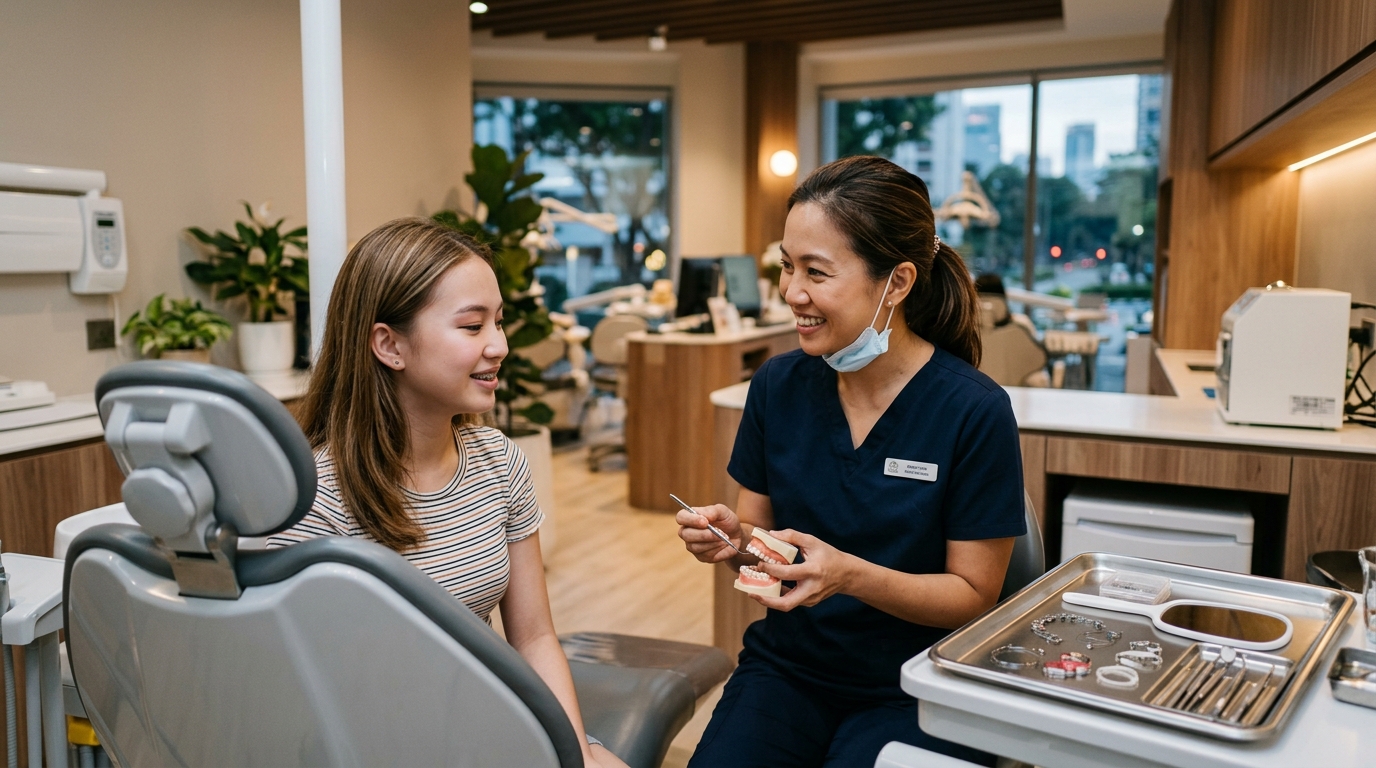
Orthodontists diagnose and treat dental misalignments, correcting crooked teeth, crowded arches, and bite problems using braces, aligners, and other fixed or removable appliances. Choosing the wrong provider can mean years of discomfort, poor results, or costly retreatment that could have been avoided with better due diligence upfront.
What to Look for in a Orthodontist in Singapore
Licensing and Credentials
Every practising orthodontist in Singapore must be registered with the Singapore Dental Council (SDC) and hold a recognised postgraduate qualification in orthodontics, typically a Master of Dental Surgery (MDS) or equivalent. You can verify registration directly on the SDC’s online register before booking a consultation.
Insurance and Public Liability
Reputable dental practices carry professional indemnity insurance that covers patients in the event of clinical error or complications. Ask the clinic directly whether their practitioners are covered, and do not proceed with any provider who cannot confirm this clearly.
Experience and Specialisation
The number of years a practitioner has been treating orthodontic cases, and the range of cases they handle, matters considerably. A specialist who regularly manages complex skeletal discrepancies or adult orthodontics will be better placed to handle your case than a general dentist offering orthodontics as a side service.
Reviews and Word of Mouth
Google reviews, patient forums, and recommendations from family or friends remain among the most reliable signals of a clinic’s day-to-day quality. Look for patterns across multiple reviews rather than placing weight on a single five-star or one-star rating.
Transparent Quoting
A trustworthy orthodontist provides a detailed written treatment plan and cost breakdown after your initial records appointment, not a vague verbal estimate. The quote should itemise consultation fees, X-rays, appliance costs, and the number of adjustment visits included.
Warranty and Guarantees
Ask what happens if a bracket debonds, a retainer breaks, or your teeth shift after treatment ends. Established clinics typically include a defined retention period and will address post-treatment movement within a reasonable timeframe at no additional cost.
Questions to Ask Before Hiring
- Are you registered with the Singapore Dental Council as a specialist orthodontist, or as a general dentist offering orthodontic services?
- How many cases similar to mine (crowding, spacing, open bite, jaw discrepancy) have you treated in the past two years?
- What appliance systems do you use, and why are you recommending that specific system for my case?
- Can you provide a full written treatment plan and itemised cost breakdown before I commit to proceeding?
- What does the fee include, and what would I be charged extra for (broken brackets, missed appointments, retainers after treatment)?
- How long is the estimated treatment duration, and what factors could extend that timeline?
- What retention protocol do you recommend once active treatment finishes, and is that covered in the quoted price?
Red Flags to Watch Out For
- Red flag: The clinic cannot confirm the treating practitioner’s SDC specialist registration or directs you to a general dentist without disclosing this distinction.
- Red flag: You are quoted a final price before any clinical records (X-rays, photographs, or dental moulds) have been taken, as no accurate estimate is possible without them.
- Red flag: High-pressure sales tactics, such as limited-time discounts or urgency around signing a payment plan on the day of your first visit.
- Red flag: The clinic cannot show you before-and-after cases comparable to yours, or declines to provide references from previous patients.
- Red flag: There is no clear written policy on what happens if complications arise mid-treatment or if you need to transfer care to another provider.

Frequently Asked Questions
How long does it take to find a good Orthodontist in Singapore?
Most people spend one to three weeks researching, reading reviews, and attending one or two initial consultations before making a decision. Booking a records appointment at two or three shortlisted clinics and comparing their treatment plans side by side is the most reliable approach. Rushing this process to save time often leads to regret once a multi-year treatment is already underway.
What’s the average cost of a Orthodontist in Singapore?
Traditional metal braces typically range from SGD 3,500 to SGD 6,000 for a full course of treatment. Clear aligner systems such as Invisalign generally fall between SGD 5,000 and SGD 9,000 depending on case complexity and the number of aligners required. Lingual braces (fixed to the inner surface of teeth) sit at the higher end, often SGD 8,000 to SGD 12,000 or more.
Do I need to get multiple quotes for Orthodontists in Singapore?
Getting at least two to three quotes is strongly advisable, particularly because treatment plans can differ significantly in approach, duration, and inclusions even for the same presenting issue. Comparing written quotes also makes it easier to spot clinics that bundle hidden fees or underquote to win business before charging for extras. A meaningful comparison requires records from each clinic, so budget for a consultation fee at each practice you visit.
Choosing an orthodontist in Singapore comes down to verifying specialist credentials with the SDC, confirming professional indemnity cover, reviewing experience with cases like yours, and insisting on a written treatment plan with a clear cost breakdown before you commit. Patient reviews add useful context, and a transparent retention policy protects your result long after the appliances come off. Use those criteria as your checklist, and refer to our curated shortlist for a head start: Best Orthodontists in Singapore (2026).