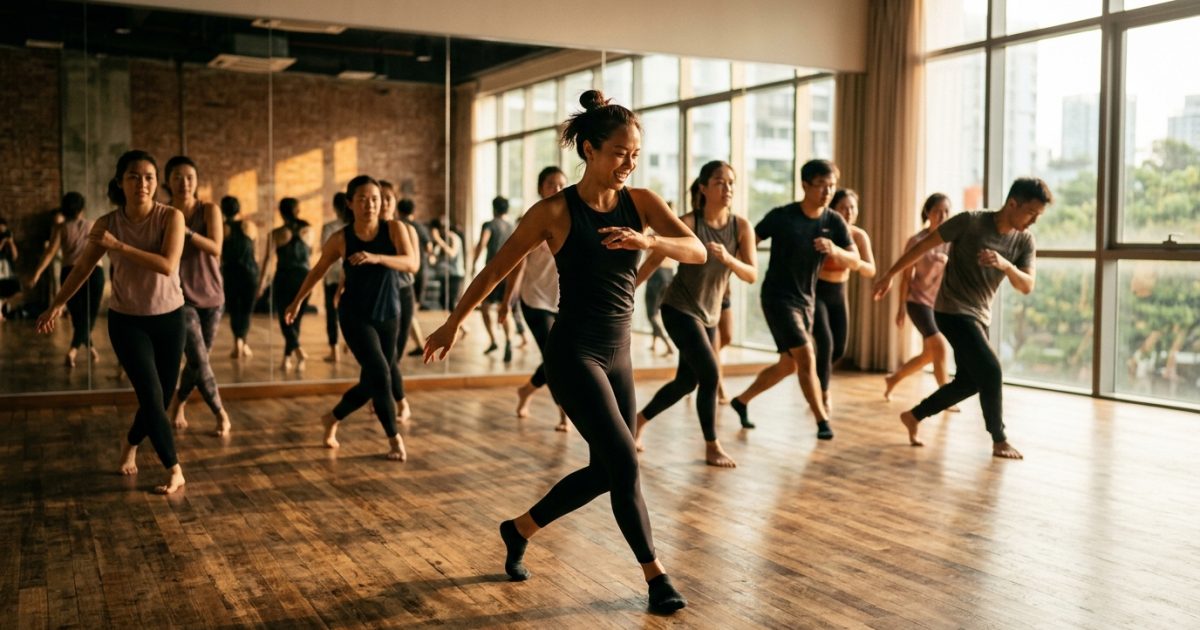
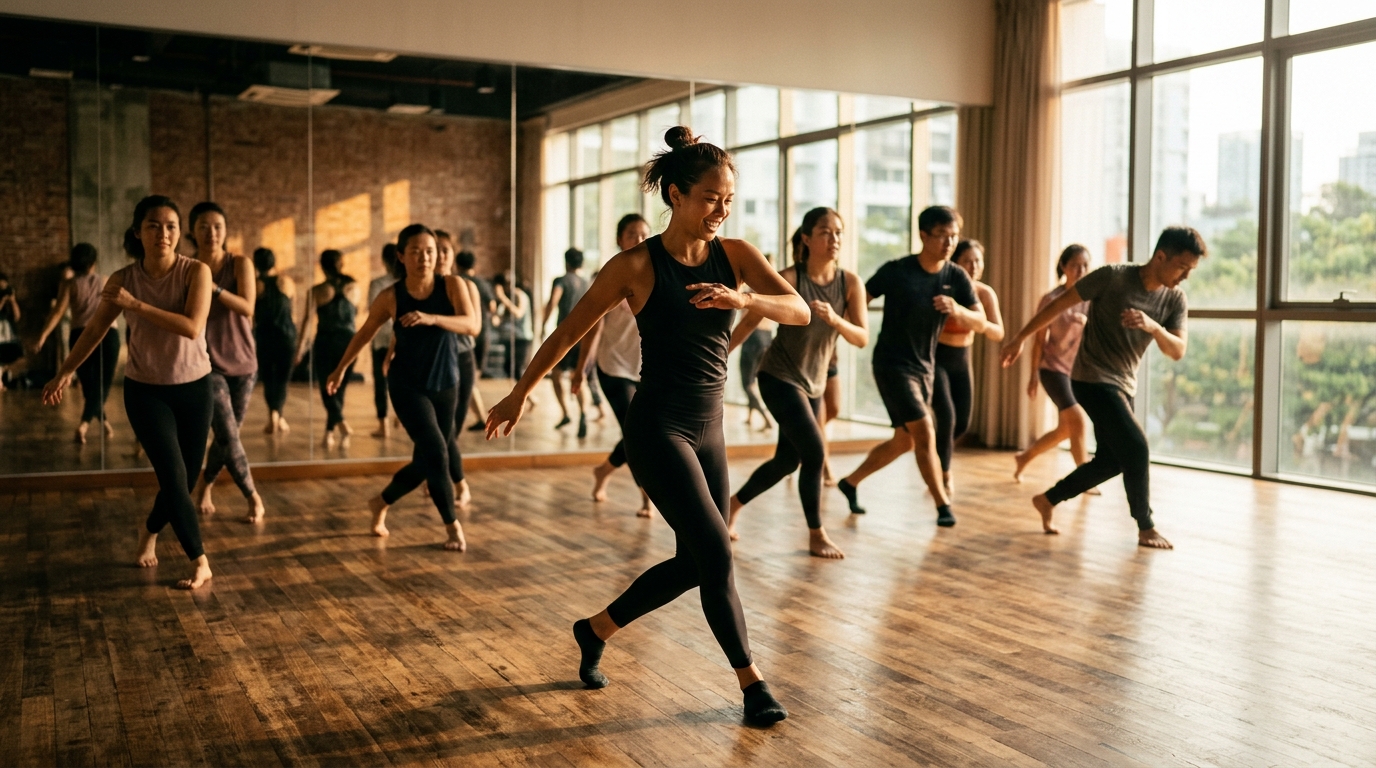
A dance studio provides structured classes, trained instruction, and a dedicated space for students to learn and develop skills across styles ranging from ballet and hip-hop to salsa and contemporary. Choosing the wrong studio can mean wasted fees, poor technique habits that take years to correct, or an environment that simply doesn’t suit your goals or your child’s needs.
What to Look for in a Dance Studio in Singapore
Licensing and Credentials
Check that the studio’s instructors hold recognised qualifications from bodies such as the Royal Academy of Dance (RAD), the Imperial Society of Teachers of Dancing (ISTD), or equivalent certifications relevant to the style being taught. In Singapore, studios operating as businesses should also be registered with ACRA, which gives you a basic layer of accountability.
Insurance and Public Liability
A reputable studio carries public liability insurance to cover injuries that occur on their premises during class. Ask specifically whether their policy covers students, not just staff, and whether it extends to performances or external events.
Experience and Specialisation
A studio that has been running for five or more years in Singapore has demonstrated it can retain students, manage operations, and adapt to demand. If you’re looking for a specific style such as K-pop, Latin ballroom, or classical ballet, confirm the studio has instructors who specialise in that discipline rather than teaching it as a secondary offering.
Reviews and Word of Mouth
Google Reviews, Facebook ratings, and parent forums like KiasuParents.com are useful starting points for gauging real student experiences. Look for patterns across multiple reviews rather than reacting to a single outlier, positive or negative.
Transparent Quoting
A trustworthy studio will clearly outline all fees upfront, including registration charges, costume costs, exam fees, and any recital or performance levies. Avoid studios where the headline class fee doesn’t reflect the true annual cost.
Warranty and Guarantees
Some studios offer trial classes or a satisfaction period where you can exit without penalty if the class isn’t the right fit. A willingness to offer a trial session is a practical sign that the studio is confident in what it delivers.
Questions to Ask Before Hiring
- What qualifications do your instructors hold, and are they current?
- Is your studio covered by public liability insurance, and does it include student injuries?
- What is the full annual cost per student, including registration, uniforms, exam fees, and recital costs?
- How many students are in each class, and what is the maximum class size for my age group or level?
- Do you offer a trial class before committing to a term or package?
- What is your refund or withdrawal policy if I need to stop mid-term?
- Do your instructors have experience preparing students for graded examinations such as RAD or ISTD exams in Singapore?
Red Flags to Watch Out For
- Red flag: Instructors cannot provide verifiable qualifications or deflect questions about their training background.
- Red flag: The studio charges a non-refundable registration fee upfront but has no written terms and conditions for withdrawals or cancellations.
- Red flag: Class sizes consistently exceed 20 students with a single instructor and no assistant, making individual correction and safety supervision impractical.
- Red flag: The studio space lacks sprung or cushioned flooring, which significantly increases injury risk for frequent or high-impact training.
- Red flag: Online reviews repeatedly mention sudden instructor changes, last-minute class cancellations, or poor communication from management.
Frequently Asked Questions
How long does it take to find a good Dance Studio in Singapore?
Most people spend between one and three weeks researching options, reading reviews, and attending trial classes before committing. Singapore has a high concentration of studios, particularly in areas like Orchard, Buona Vista, and Tampines, so you’ll generally have several comparable options within a reasonable distance. Booking trial classes at two or three studios before deciding is a practical way to make the comparison concrete.
What’s the average cost of a Dance Studio in Singapore?
Group classes typically range from SGD 25 to SGD 60 per session depending on the style, level, and studio location. Monthly fees for regular programmes usually fall between SGD 80 and SGD 200. Private or semi-private instruction costs considerably more, often SGD 80 to SGD 150 per hour, and exam preparation or performance tracks may carry additional charges on top of standard tuition.
Do I need to get multiple quotes for Dance Studios in Singapore?
Comparing at least two or three studios is worthwhile, particularly because fee structures vary significantly and aren’t always easy to compare at face value. A cheaper headline rate can become more expensive once costume, exam, and recital fees are added. Visiting in person also lets you assess the facilities, observe a class in progress, and get a direct sense of the teaching approach before committing.
Choosing the right dance studio comes down to instructor credentials, transparent pricing, appropriate class sizes, safe facilities, and a refund policy you can rely on. Take the time to attend trial classes and ask direct questions about costs and qualifications before signing up for a full term. For a curated list of top-rated options, visit the Best Dance Studios in Singapore (2026).