Quick price summary: Music Schools in Singapore (2026)
- Low end: SGD $20 – $35 per group class session
- Mid-range: SGD $60 – $90 per 45-minute private lesson
- High end / enterprise: SGD $120 – $290+ per session (premium 1-to-1 instruction, specialist teachers)
Prices in Singapore Dollars (SGD). Last updated 2026.
Music education in Singapore covers a wide range of formats, from group enrichment classes for toddlers and preschoolers to structured graded exam preparation for older students and adults. Whether you are a parent enrolling a young child for the first time or an adult learner picking up an instrument, the fees you pay reflect the type of instruction, the school’s facilities, and the qualifications of the teacher. Understanding what is actually included at each price point saves both time and money before you commit.
Costs vary considerably across Singapore because the market spans budget-friendly community music enrichment programmes all the way to premium conservatoire-style schools with internationally certified teachers. The instrument, the student’s age, the lesson format (group versus private), and the frequency of sessions all shape the final figure. Parents comparing fees between two schools should always confirm what they are getting per session, not just the headline rate.
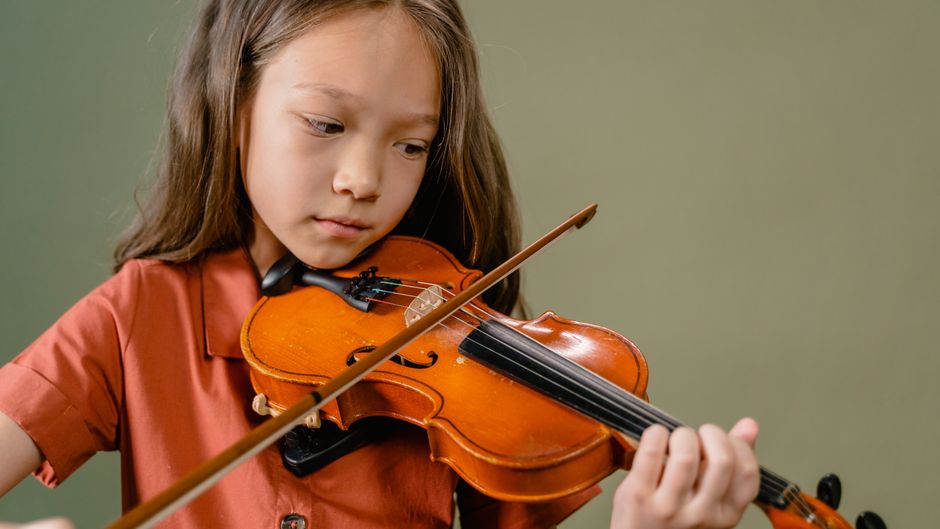
What Do Music Schools Cost in Singapore?
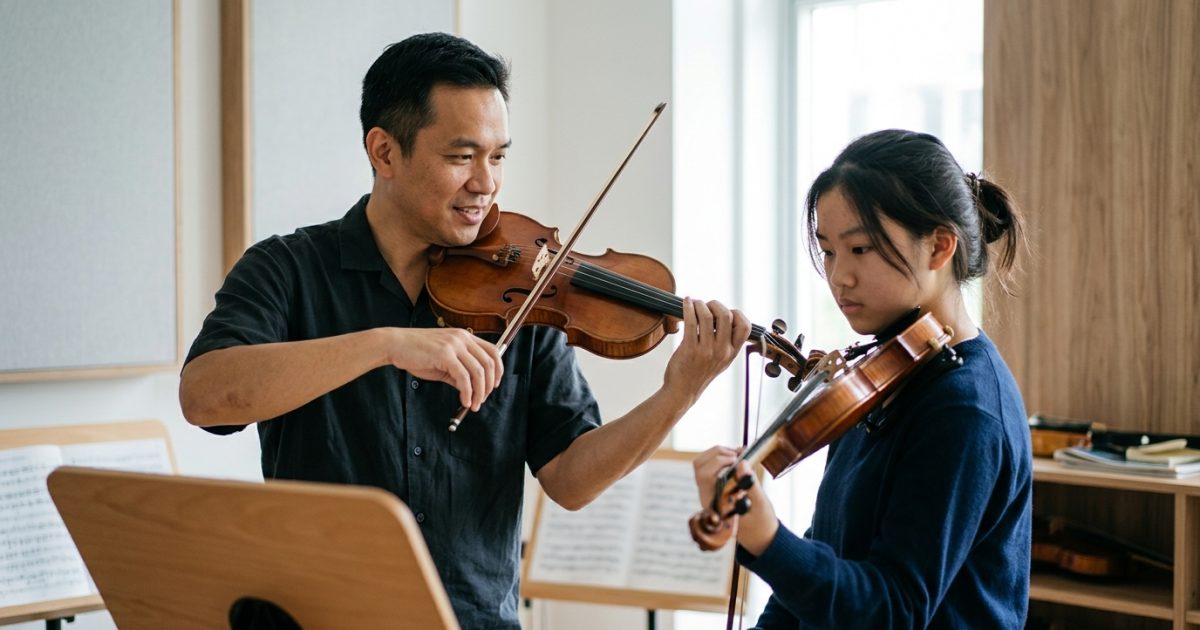
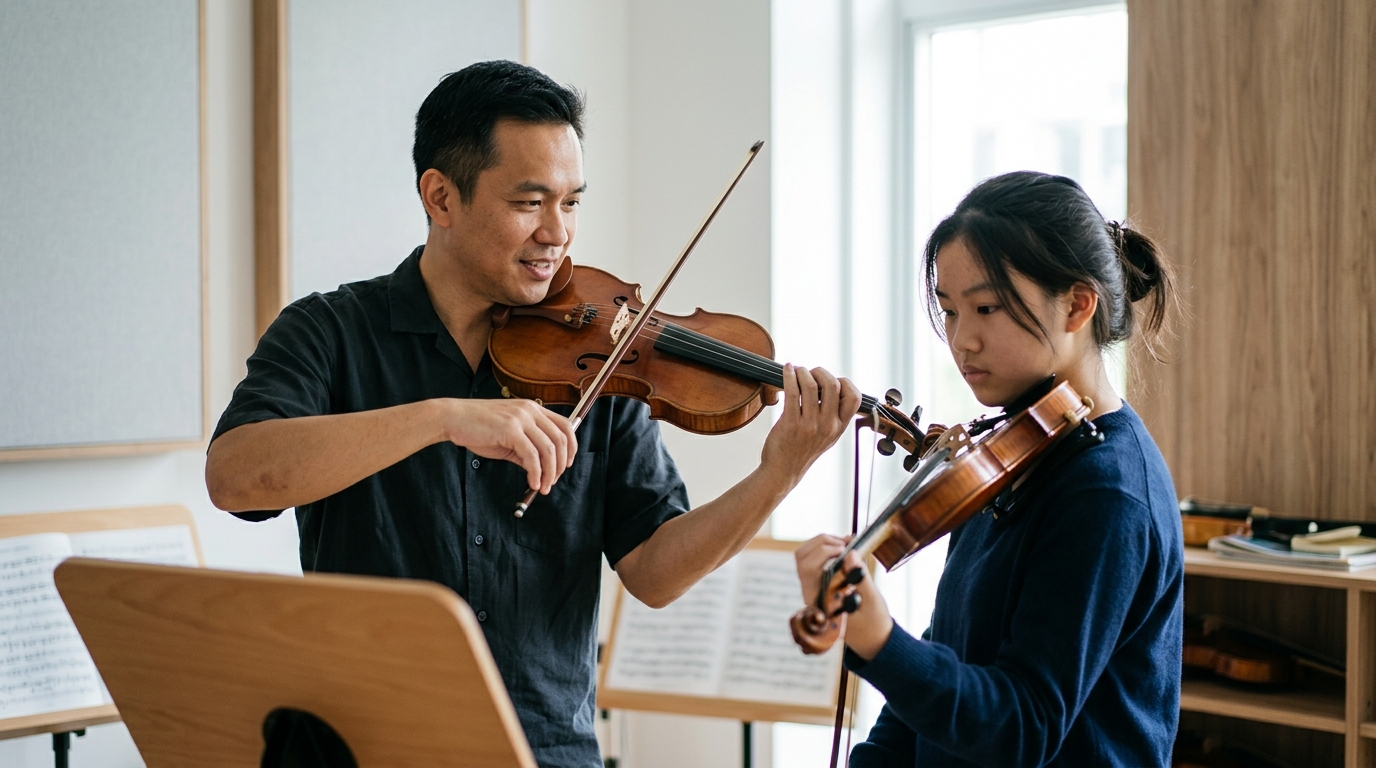
Group music classes for toddlers and preschoolers typically start at SGD $20 to $35 per session, with many music enrichment programmes charging $195 to $290 per term for weekly group classes. Private 1-to-1 lessons sit in a broader range: entry-level private tutors charge around $35 to $60 per 45-minute lesson, while established music schools charge $65 to $90 per lesson for standard instruments such as piano, guitar, violin, and drums. Specialist instruction from teachers with recognised grading qualifications or performance backgrounds pushes rates to $120 and above per session.
Singapore’s largest and most well-known music schools charge a premium partly because they carry overhead costs for dedicated teaching studios, waiting areas, and administrative support. Smaller independent schools and freelance music tutors working from home studios often undercut these rates by 20 to 30 per cent. The trade-off is usually in structure, scheduling flexibility, and access to formal graded exam pathways. For families preparing a child for ABRSM, Trinity, or LCM graded exams, the school’s track record with those syllabuses matters as much as the price per lesson.
Price Breakdown by Service Level
| Service Level | What You Get | Typical Price Range | Best For |
|---|---|---|---|
| Basic / Group Enrichment | Group classes of 4–10 students, music play and early musical exposure, basic instrument introduction | SGD $20 – $35 per session / $195 – $290 per term | Toddlers, preschoolers, families exploring music on a budget |
| Standard Private Lessons | 1-to-1 lessons with a qualified teacher, structured curriculum, basic exam preparation available | SGD $60 – $90 per 45-minute lesson | School-age kids and adult learners starting formal music education |
| Premium School Instruction | 1-to-1 lessons with senior or specialist teachers, graded exam pathways (ABRSM/Trinity), performance preparation | SGD $100 – $150 per 45-minute lesson | Serious students, teens preparing for graded exams, young musicians building a portfolio |
| Elite / Specialist Training | Instruction from diploma-holding or internationally recognised teachers, conservatoire-style coaching, audition and competition preparation | SGD $160 – $290+ per session | Advanced students, pre-conservatoire learners, young performers preparing for competitive exams |

What Affects the Cost of Music Schools in Singapore?
Lesson Format: Group Classes vs. Private 1-to-1
Group classes keep fees low by splitting the teacher’s time across multiple students. A group music enrichment session for young children can cost as little as $20 to $35 per child. Private 1-to-1 lessons command higher rates because the teacher’s full attention and lesson plan are dedicated to one student. For children working through a formal curriculum or preparing for graded exams, private lessons are generally the more effective option, even if the cost per session is two to three times higher.
Instrument Choice
Piano and guitar are the most widely taught instruments in Singapore, which means more teachers and more competition, keeping rates relatively stable. Drums and singing lessons fall in a similar mid-range bracket. Less common instruments, such as the cello, harp, oboe, or classical voice training, attract higher fees because qualified teachers are fewer and the equipment requirements are more demanding. Expect to pay a 20 to 40 per cent premium for specialist or less common instruments.
Teacher Qualifications and Experience
A teacher holding an ATCL, LTCL, or music degree from a recognised institution will charge more than a self-taught tutor or a student teacher. Schools employing teachers with performing backgrounds or examination board certifications reflect those credentials in their lesson rates. For students working seriously toward graded exams, a qualified teacher typically delivers better outcomes and is worth the higher fee.
Student Age and Programme Structure
Music enrichment programmes designed for toddlers and preschoolers are typically structured around developmental play and early musicality, and these are generally priced lower per session than formal instrument lessons. Once a child reaches primary school age and moves into structured 1-to-1 instruction, fees rise. Adult learners often pay rates comparable to school-age students in private lessons, though some schools offer adult-specific group classes at lower rates.
Location and School Overhead
Music schools located in central or high-footfall areas (Orchard, Holland Village, Buona Vista) carry higher rental costs, which are reflected in lesson fees. Schools in residential heartland areas or those operating from shophouses tend to price more competitively. Online music lessons, which became widespread after 2020, now offer a genuine budget-friendly alternative at rates typically 15 to 25 per cent below in-person sessions at the same school.
How to Get Accurate Quotes
- Define the instrument, lesson format (group or private), and the student’s current level before contacting schools. This allows the school to quote the correct teacher tier and session length straight away.
- Ask specifically for the per-lesson rate and the term or monthly fee separately. Some schools bundle registration fees, music books, and exam entry costs into a term package, while others charge these separately.
- Confirm the session length. A quoted rate for a 30-minute lesson versus a 45-minute or 60-minute lesson makes a significant difference to value, especially for older or more advanced students.
- Request a trial lesson before committing to a full term. Most reputable music schools in Singapore offer a trial session at a reduced rate or full lesson fee. This lets you assess the teacher’s approach and the school’s facilities before paying a term in advance.
- Check what happens to missed lessons. Schools vary considerably on their make-up lesson policies. Confirm whether missed sessions due to illness or school events can be rescheduled, and whether there is a minimum notice period required.
Red Flags to Watch Out For
- No clear information about teacher qualifications on the school’s website or during your inquiry. Reputable schools are transparent about their teachers’ backgrounds and experience.
- Fees that are dramatically lower than the market rate without a clear explanation. A private piano lesson offered at $25 per 45 minutes in 2026 is well below the Singapore market average and warrants careful questions about the teacher’s credentials.
- Upfront payment demands covering six months or more before any trial lesson. Paying one term in advance is standard, but pressure to prepay a long block before you have assessed fit is a warning sign.
- No structured curriculum or clear learning goals outlined at enrolment. Good music schools provide a basic learning framework so students and parents can track progress, especially for children working toward graded exams.
- High teacher turnover with students frequently reassigned to new teachers. Continuity matters in music education. Frequent changes disrupt a child’s learning and exam preparation schedule.
- Vague or non-existent make-up lesson policies communicated only verbally, never in writing. Always get the school’s lesson cancellation and rescheduling policy in writing before you pay.

Frequently Asked Questions
How much do music schools cost in Singapore on average?
For private 1-to-1 lessons at an established music school, most families in Singapore pay between SGD $65 and $90 per 45-minute session in 2026. Group enrichment classes for younger children typically run from $20 to $35 per session or $195 to $290 per term. Adults taking private lessons at a mid-range school can expect to pay in the $60 to $90 bracket, with premium instruction starting at $100 and going up to $290 or more for elite specialist teachers.
Why are some music schools prices so much cheaper?
Lower-priced schools or tutors generally reflect one or more of the following: less experienced teachers (including student teachers or recent graduates), home studio settings with lower overheads, group formats rather than private lessons, or a narrower curriculum without formal graded exam support. Budget-friendly options can work well for young children exploring music for the first time or for casual adult learners with no exam goals. For students preparing seriously for ABRSM or Trinity graded exams, the teacher’s qualifications and the school’s exam track record are worth paying more to secure.
Is it worth paying more for music schools in Singapore?
Yes, in most cases where the student has clear goals. A qualified, experienced teacher can move a child through graded exam levels more efficiently, correct technical habits early, and build the student’s confidence far more effectively than a lower-cost option where teacher experience is limited. For toddlers and preschoolers in early music enrichment, the difference between a mid-range and a premium school is less critical. For school-age students working toward formal exams or building genuine musical skills, the additional SGD $30 to $60 per lesson typically delivers measurable value over the course of a year.
Choosing the Right School for Your Budget
Singapore has a genuinely strong music education sector, with options spanning every budget from community enrichment classes to conservatoire-level private instruction. The best approach is to match the fee level to the student’s actual goals: group enrichment for early exploration, standard private lessons for structured learning, and premium instruction only when exam preparation or serious musical development makes it worthwhile. Getting a trial lesson, confirming teacher qualifications in writing, and understanding exactly what each fee covers will put any parent or adult learner in a strong position to make a good decision without overpaying or settling for less than the student needs.