Quick price summary: Croissant in Singapore (2026)
- Low end: SGD $2.50 – $4.00
- Mid-range: SGD $4.50 – $7.00
- High end / enterprise: SGD $7.50 – $14.00+
Prices in Singapore local currency. Last updated 2026.
Singapore’s croissant scene spans a wide spectrum, from grab-and-go pastries at heartland bakeries to laminated, butter-heavy creations sold at specialty patisseries in Dempsey Hill and Orchard Road. A croissant here is not a single product with a single price — it covers plain butter croissants, filled varieties (almond, chocolate, ham and cheese), hybrid styles like cruffins and kouign-based pastries, and bespoke café creations that change weekly. Understanding the market means recognising that each of these categories carries its own pricing logic.
Costs vary for several reasons: ingredient sourcing (imported French AOP butter versus local or blended fats), the lamination technique used, whether the dough is proofed and baked on-site or delivered par-baked, and the overhead costs of the venue itself. A croissant sold in a CBD café with full table service costs considerably more than the same quality product sold at a standalone bakery in Tiong Bahru or Bedok. Portion size, filling complexity, and seasonal specials all push prices up or down as well.

What Do Croissant Cost in Singapore?
At the budget end of the market, plain croissants from chain bakeries such as BreadTalk, Bengawan Solo outlets, or supermarket in-store bakeries sit between SGD $2.50 and $4.00 each. These use commercial lamination processes and are baked at scale, which keeps prices accessible but limits the depth of flavour and the characteristic flakiness found in artisan versions. They are a practical choice for everyday consumption or office catering in large quantities.
Specialty and artisan croissants from well-regarded Singapore patisseries — places such as Maison Kayser, Tiong Bahru Bakery, or independent French-trained bakers operating their own shopfronts — typically run from SGD $4.50 to $7.00 for a plain or lightly filled croissant. Premium and limited-edition creations, including heavily filled flavours, truffle butter variants, or croissants sold as part of a plated brunch experience, routinely reach SGD $8.00 to $14.00. Catering orders and wholesale supply for corporate events are priced separately, usually on a per-dozen or volume basis, and may attract discounts from SGD $30.00 to $60.00 per dozen depending on style and quantity.
Price Breakdown by Service Level
| Service Level | What You Get | Typical Price Range | Best For |
|---|---|---|---|
| Basic | Plain or lightly glazed croissant from a chain bakery or supermarket, par-baked or batch-produced on-site | SGD $2.50 – $4.00 | Everyday snacking, budget-conscious buyers, high-volume office orders |
| Standard | Freshly baked croissant from an established independent bakery, made with quality butter, good lamination, basic fillings available | SGD $4.50 – $6.00 | Café-goers, weekend breakfast, those who want quality without a premium venue markup |
| Premium | Artisan croissant using imported AOP butter, proper cold lamination, complex or seasonal fillings, sold at a specialty patisserie or café | SGD $6.50 – $9.00 | Food enthusiasts, weekend brunch, gifts, visitors wanting a considered pastry experience |
| High End / Custom | Signature or chef-driven croissant with luxury fillings (truffle, specialty chocolate, premium fruit compotes), plated presentation or catering supply, limited-edition releases | SGD $9.00 – $14.00+ | Corporate gifting, event catering, food photographers, collectors of limited pastry drops |

What Affects the Cost of Croissant in Singapore?
Butter quality and sourcing
French AOP butters such as Beurre de Charentes or Isigny are the gold standard for laminated pastry and cost significantly more than commercial alternatives. Bakeries that use these butters on every batch pass that cost to the customer. Some mid-range operations use a blend, which reduces cost but also affects flavour and layer definition.
Lamination technique and labour
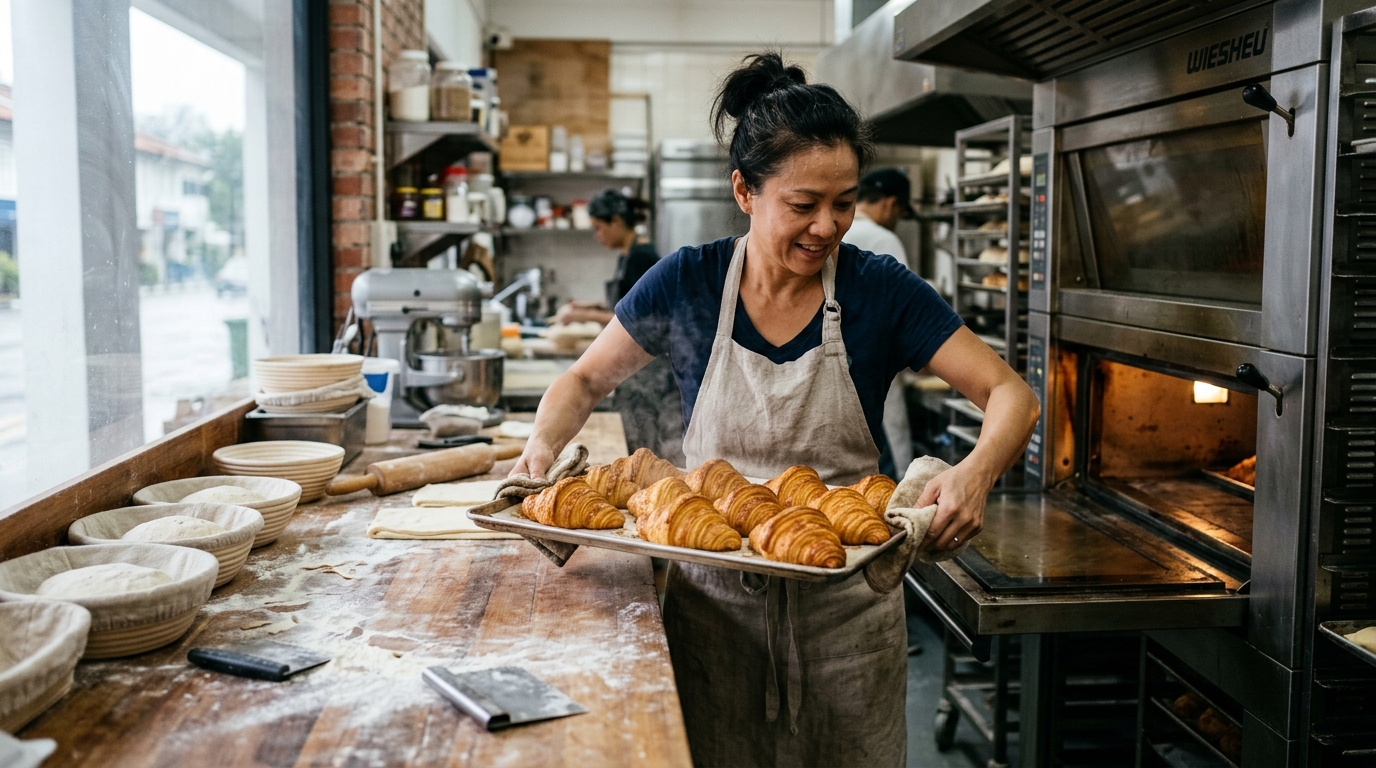
Proper croissant lamination requires multiple folding stages, cold resting periods across one to two days, and skilled hands to avoid tearing the dough layers. Bakeries employing trained pastry chefs or French-trained bakers pay higher wages, and that investment is reflected in the price per unit. Automated sheeting machines used by chains reduce labour cost but produce a more uniform, less complex result.
Venue type and location
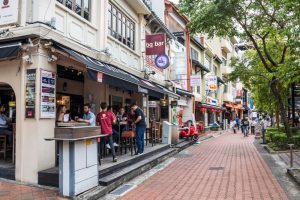
A croissant sold in a Orchard Road hotel café or a Robertson Quay brunch spot carries the overhead of that address. Rent in Singapore’s prime retail and F&B zones is among the highest in the region. The same croissant sold from a void deck or heartland bakery carries far lower overhead, which is why identical quality can be priced differently depending on where it is purchased.
Filling and flavour complexity
A plain butter croissant takes the same base effort as one filled with house-made almond cream, dark chocolate ganache, or seasonal fruit curd — but the fillings add material cost and preparation time. Savoury croissants with imported ham, aged cheese, or smoked salmon push prices further. Limited-edition drops, which require recipe development and often bespoke packaging, command a premium above the standard menu.
Order volume and format
Individual retail pricing is always higher per unit than bulk or catering orders. A single artisan croissant at SGD $6.50 may come down to SGD $5.00 or less per piece when ordered by the dozen for an event. Some bakeries offer subscription or weekly pre-order pricing that sits below their walk-in rate, rewarding regulars and reducing waste for the baker.
How to Get Accurate Quotes
- Identify the quantity you need before making contact. A single visit to a café requires no quote, but catering, corporate gifting, or bulk orders need a minimum quantity figure before a bakery can price accurately.
- Specify the variety and filling. Plain, almond, chocolate, savoury, or custom flavours all carry different price points. Give the bakery a clear brief to avoid receiving a generic estimate that shifts when you add detail.
- Ask whether delivery is included or charged separately. Several bakeries in Singapore offer delivery for catering orders but charge SGD $20.00 to $50.00 depending on location and timing, particularly for early morning drops.
- Request a tasting before committing to a large order. Most reputable Singapore patisseries that handle corporate or event orders will allow a small sample purchase at retail prices so you can confirm quality before committing to bulk quantities.
- Confirm lead time requirements. High-end and custom croissants, especially seasonal specials, often require 48 to 72 hours advance notice or even weekly pre-ordering. Last-minute requests may attract a rush surcharge or simply be unavailable.
Red Flags to Watch Out For
- Croissants priced below SGD $2.00 that claim to be freshly baked on-site. At that price point, the economics only work with frozen, pre-formed dough or very low-grade fats, neither of which produces a quality result.
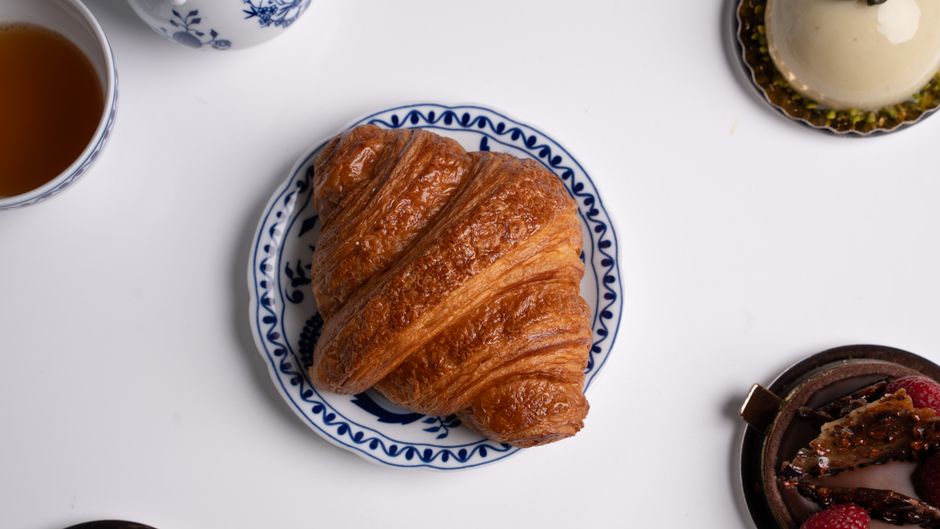
- No visible lamination or honeycomb crumb structure when the croissant is torn open. A properly made croissant has distinct layers. A doughy, bread-like interior is a sign of under-proofing, poor technique, or low-quality dough.
- Vague descriptions of ingredients. Reputable artisan bakeries are typically specific about their butter and flour sourcing. Generic phrasing such as “quality ingredients” without detail is worth treating with scepticism.
- Catering quotes that come with no written breakdown. For bulk orders, always request an itemised quote that specifies price per unit, delivery fee, packaging, and any minimum order requirements.
- Bakeries that cannot confirm bake times. Croissants are best within two to four hours of baking. Venues that cannot tell you when their product was baked may be selling day-old stock at fresh prices.
- Social media-only sellers with no physical address or registered business details. Home bakers can produce excellent croissants, but without an SFA-registered kitchen, there are food safety considerations worth factoring in for catering or gifting purposes.
Frequently Asked Questions
How much do croissant cost in Singapore on average?
The average price for a single croissant in Singapore in 2026 sits around SGD $4.50 to $6.00, covering the mid-range of independent café and bakery offerings. Budget chain options start from SGD $2.50, while premium and specialty patisserie products reach SGD $9.00 to $14.00 for complex or limited-edition varieties.
Why are some croissant prices so much cheaper?
Lower-priced croissants are almost always produced using par-baked or frozen dough, commercial shortening or blended butter, and high-volume batch baking that reduces labour cost per unit. These are not inherently bad products for their intended purpose, but they do not reflect the same ingredient or technique investment as an artisan counterpart. The price difference is driven by real differences in input costs, not simply by margin.
Is it worth paying more for croissant in Singapore?
For everyday consumption, a SGD $3.00 to $4.00 chain croissant serves the purpose. For a considered breakfast, brunch gift, or an experience where the pastry is the point, the step up to SGD $6.00 to $9.00 from a skilled independent baker produces a noticeably different result in flavour, texture, and layering. Whether that difference justifies the price is a matter of personal preference, but the quality gap between tiers is real and consistent across Singapore’s current bakery market.
Singapore’s croissant market in 2026 gives buyers genuine choice across a well-defined price spectrum. Knowing what drives the differences in cost makes it straightforward to match your budget to a product that fits what you actually need, whether that is a quick morning pastry, a considered café experience, or a polished catering order for an event.
For a curated list of top-rated providers, see our guide: Best Croissant in Singapore (2026).