Quick price summary: Cooking Classes in Singapore (2026)
- Low end: SGD $45 – $80 per person
- Mid-range: SGD $85 – $150 per person
- High end / enterprise: SGD $160 – $350+ per person
Prices in Singapore Dollars (SGD). Last updated 2026.
Singapore sits at a crossroads of Chinese, Malay, Indian, Peranakan, and Western culinary traditions, making it one of Asia’s most interesting cities for food education. Cooking classes here range from casual two-hour sessions in a home kitchen to full-day Michelin-referenced heritage experiences run by professional chefs. What you learn depends heavily on who is teaching, where the class is held, and how many people share the kitchen with you.
Costs vary for several practical reasons: ingredient sourcing, kitchen facilities, class duration, group size, and the chef’s background all play a role. A class centred on making Nyonya dumplings with a heritage cook from Chinatown will be priced very differently from a western cuisine session at a commercial cooking school like Palate Sensations. Understanding what each price tier actually delivers helps you book the right experience rather than simply the cheapest one.
What Do Cooking Classes Cost in Singapore?
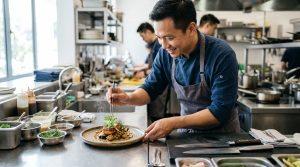
Most hands-on cooking classes in Singapore fall between SGD $50 and SGD $150 per person for a standard group session lasting two to three hours. At the lower end, you are typically joining a larger group, working with a set menu of two or three dishes, and taking home printed recipes. Mid-range classes in the SGD $85–$150 bracket usually include a market visit or ingredient walk, a smaller group, and more direct interaction with the instructor. Venues like Food Playground in Chinatown and Commune Kitchen have built strong reputations in this segment, with sessions regularly booking out on Saturdays.
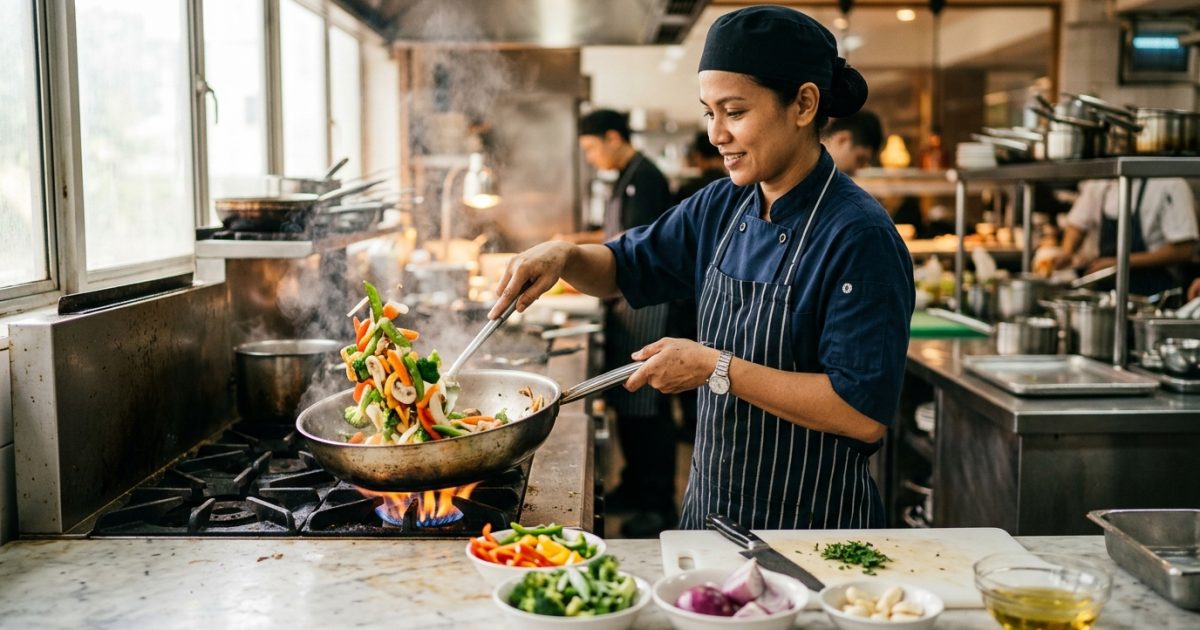
Premium and private classes push costs to SGD $160 and above per person. These sessions often cover more complex techniques, include wine or drink pairings, and are held in well-equipped commercial kitchens. Corporate group bookings and custom team-building experiences can reach SGD $250–$350 per person depending on the programme. Singapore’s food culture has grown sophisticated enough that several providers now offer classes directly referencing local hawker heritage, Hainan cooking traditions, and street food dishes that tourists and locals alike want to recreate at home.
Price Breakdown by Service Level
| Service Level | What You Get | Typical Price Range | Best For |
|---|---|---|---|
| Basic | Group class (8–15 people), 1.5–2 hours, 2–3 dishes, printed recipes, basic kitchen setup | SGD $45 – $80 per person | Tourists, first-timers, budget travellers wanting a fun, easy introduction |
| Standard | Small group (6–10 people), 2.5–3 hours, market visit or local ingredient sourcing, 3–4 dishes, dietary accommodations (vegetarian, gluten-free) | SGD $85 – $150 per person | Food enthusiasts, couples, travellers wanting a genuine local food culture experience |
| Premium | Small group or semi-private, 3–4 hours, chef-led with professional kitchen, advanced techniques, heritage or Peranakan focus, full meal at the end | SGD $160 – $220 per person | Serious home cooks, special occasions, visitors wanting depth in Singaporean culinary heritage |
| Private / Corporate | Exclusive kitchen access, custom menu, dedicated chef instructor, flexible schedule, team-building packages, full equipment and ingredients included | SGD $250 – $350+ per person | Corporate groups, celebrations, private dining experiences, expats seeking ongoing culinary education |
What Affects the Cost of Cooking Classes in Singapore?
Group size and class format
Smaller groups cost more per person because the instructor’s time and kitchen space are divided among fewer participants. A private class for two people at a well-equipped cooking school will almost always cost more per head than joining a Saturday group session of twelve. If you want hands-on attention at each step, expect to pay for it.
Location and kitchen facilities
Classes held in purpose-built commercial kitchens with individual cooking stations, professional-grade equipment, and proper ventilation cost more to run than those held in a home kitchen or community space. Venues in central areas like Chinatown, the CBD, or near the Esplanade carry higher overheads than those located further from the city centre.
Cuisine type and ingredient costs
Classes focusing on dishes that require premium or hard-to-source ingredients, such as fresh crab for chilli crab, live seafood, or specific heritage ingredients for Peranakan cooking, will charge more. A session on making delicious street food snacks like popiah or dumplings typically costs less to run than one covering multi-component dishes with expensive proteins.
Chef credentials and school reputation
Instructors with professional culinary backgrounds, formal training, or recognised media profiles charge at a premium compared to home cooks or hobbyists running casual sessions. Established cooking schools like Palate Sensations invest in trained staff, structured curricula, and consistent quality, which is reflected in their pricing. A class that references Singapore’s Michelin-starred food scene or works with a chef who has competed professionally will sit at the top of the price range.
Session length and inclusions
A 90-minute class covering one dish is priced very differently from a three-hour session that starts with a market walk, covers four dishes, includes a sit-down meal, and sends you home with recipes and spice kits. Always check what the stated price actually includes, particularly whether ingredients, drinks, and a meal are covered or charged separately.
How to Get Accurate Quotes
- Define your group size, preferred date, and any dietary restrictions (vegetarian, gluten-free, halal) before reaching out. Most providers in Singapore need this information to give you a firm price rather than a general estimate.
- Check the provider’s schedule directly on their website or booking platform. Many classes, particularly Saturday sessions at popular schools like Food Playground or Commune Kitchen, sell out weeks in advance. Availability affects whether you can join a group class or need to book a private session at a higher rate.
- Ask specifically what is included in the price: ingredients, equipment use, printed recipes, a meal, drinks, and any take-home items. Two classes listed at the same SGD price can differ significantly in what you actually get.
- Request reviews or check verified review platforms before booking. Look for comments about the instructor’s teaching style, class pace, and how well dietary restrictions were handled. A cooking school with consistently good reviews across a mix of tourists and local participants is usually a safer choice.
- For corporate or group bookings of more than ten people, contact the school directly and ask about group rates. Most established schools will build a custom package, and the per-person cost often drops noticeably at scale.
Red Flags to Watch Out For
- No mention of group size limits. Classes that do not state a maximum number of participants often mean overcrowded kitchens where hands-on cooking becomes watching from a distance.
- Vague or missing ingredient lists. Reputable schools are upfront about what you will cook. Providers who only describe the experience in general terms may not have a consistent curriculum.
- No policy on dietary restrictions. Any professional cooking class in Singapore should be able to accommodate common dietary needs. If a provider cannot confirm how they handle vegetarian or gluten-free requests, that is a concern.
- Prices significantly below SGD $40 per person for a claimed hands-on class. At that price point, it is unlikely the session includes quality ingredients, adequate kitchen space, or qualified instruction. Some low-cost listings are essentially demonstrations rather than participation classes.
- No cancellation or rescheduling policy listed. Cooking classes often sell out, and legitimate providers have clear terms. Absence of a stated policy suggests a poorly run operation.
- Reviews that only mention the food and not the instruction. Good cooking classes leave participants feeling they learned something reproducible at home. If all reviews praise the meal but say nothing about the teaching, it may function more as a dining experience than an actual cooking session.

Frequently Asked Questions
How much do cooking classes cost in Singapore on average?
Most group cooking classes in Singapore cost between SGD $85 and SGD $130 per person for a standard two-to-three-hour session. This covers a small-group format, all ingredients, and a meal at the end. Budget options start around SGD $45–$50, while private and premium experiences can exceed SGD $250 per person.
Why are some cooking classes prices so much cheaper?
Lower-priced classes usually involve larger groups, shorter sessions, simpler dishes, and less hands-on time per participant. Some cheap options are run from home kitchens with minimal equipment, or function more as food tours with a brief cooking demonstration rather than a full hands-on session. The SGD $45–$60 range can still be good value, particularly for tourists wanting a fun introduction to local street food or hawker dishes, as long as expectations are set correctly.
Is it worth paying more for cooking classes in Singapore?
For most people who want to genuinely learn to cook Singaporean food at home, spending SGD $100–$150 on a well-reviewed class at an established school delivers noticeably more than a budget session. You get better instruction, smaller groups, higher-quality ingredients, and dishes that connect to real local food culture, including heritage recipes from Peranakan, Hainan, and Hokkien traditions that are becoming harder to find in everyday restaurants. If you are booking for a special occasion or a corporate group, the premium tier is worth the additional cost for the dedicated attention and customisable format.
Singapore’s cooking class market has matured considerably, with options now covering everything from Chinatown heritage recipes and street food snacks to western techniques and market-to-table sessions. Knowing what each price point delivers, and asking the right questions before booking, means you are far more likely to come away with skills you can actually use in your own kitchen, not just a pleasant afternoon out.