Quick price summary: Cooking Classes in Singapore (2026)
- Low end: SGD $50 – $80 per person
- Mid-range: SGD $85 – $130 per person
- High end / enterprise: SGD $150 – $300+ per person
Prices in Singapore Dollars (SGD). Last updated 2026.
Singapore sits at a remarkable culinary crossroads. Its food culture draws from Chinese, Malay, Indian, Peranakan, and Western traditions, producing dishes like Hainanese chicken rice, Nyonya dumplings, laksa, and char kway teow that are recognised far beyond the region. The city also claims multiple Michelin-starred restaurants and a street food scene that has earned its own Michelin recognition, making it one of the most food-rich environments in Southeast Asia to learn to cook. Cooking classes here range from casual home-style sessions teaching you to make a single local dish, through to full-day culinary courses at professional kitchen studios with market visits included.
Prices vary widely because the format, duration, class size, instructor credentials, and cuisine type all pull costs in different directions. A 90-minute group class focused on one dish costs significantly less than a four-hour market-to-table experience led by a professional chef with hands-on coaching throughout. Understanding what drives these differences helps you find a class that fits your budget and your actual goals, whether that is picking up practical skills, experiencing local food culture, or simply having fun in the kitchen.
What Do Cooking Classes Cost in Singapore?
Most cooking classes in Singapore fall between SGD $50 and SGD $180 per person for a single session. At the lower end, around SGD $50 to $80, you will typically find shorter group classes of two to three hours covering one or two dishes, often run from a home kitchen or community space. Mid-range classes, priced from SGD $85 to $130, usually include a wider menu, better facilities, and more hands-on instruction time. These are the sessions offered by established studio kitchens such as Commune Kitchen and Palate Sensations. Premium experiences, including market visits, small group sizes, and professional chef instruction, generally start at SGD $150 and can reach SGD $300 or more per person for private or highly specialised sessions.
Corporate group bookings, team-building cooking experiences, and private classes are priced differently and are typically quoted per group rather than per head, with per-person costs often dropping when numbers increase. A private class for two at a reputable studio might cost SGD $250 to $350 per person, while a corporate group of 20 could negotiate a per-head rate closer to SGD $100 to $130 depending on the programme.
Price Breakdown by Service Level
| Service Level | What You Get | Typical Price Range | Best For |
|---|---|---|---|
| Basic | Group class (up to 15 people), 1.5 to 2 hours, one or two dishes, simple kitchen setup, no market visit | SGD $50 – $80 per person | Budget-conscious travellers, short-stay visitors, casual learners |
| Standard | Group class (8 to 12 people), 2.5 to 3 hours, three to four dishes, professional studio kitchen, recipe cards included | SGD $85 – $130 per person | Tourists wanting a genuine culinary experience, skill-builders, small groups |
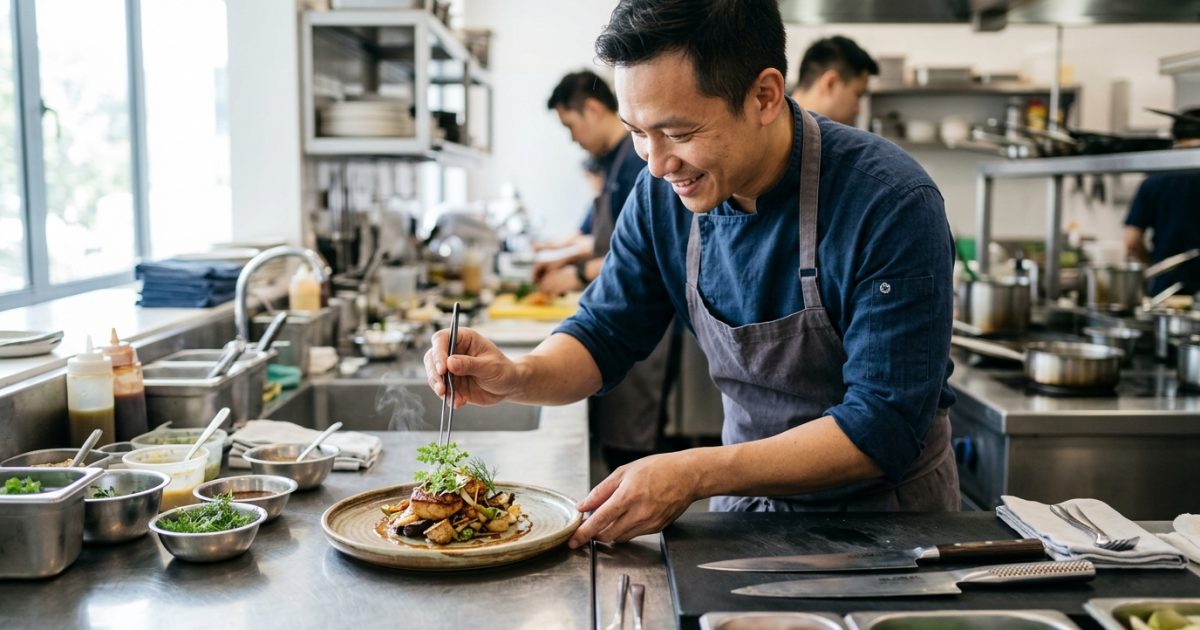
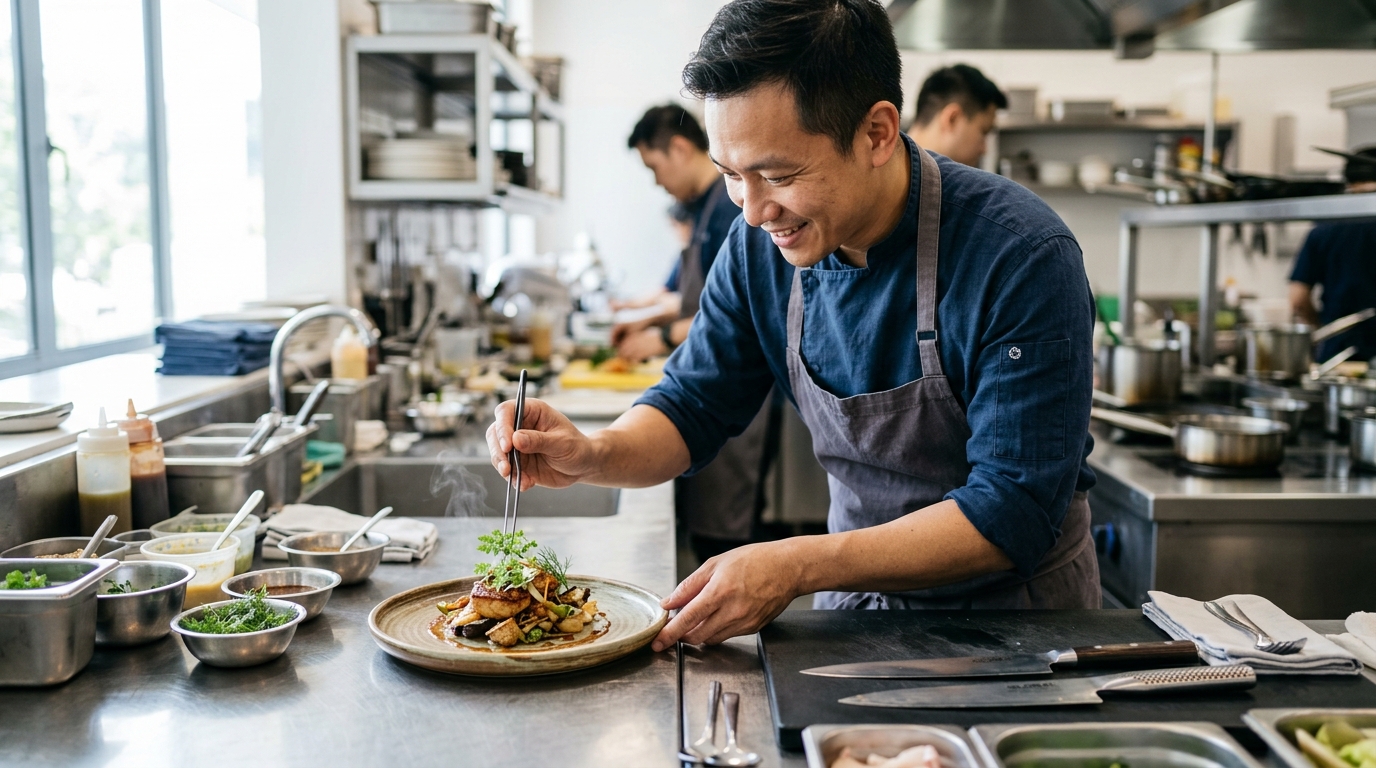
| Premium | Small group or semi-private (2 to 6 people), 3 to 4 hours, market visit, four to six dishes, experienced chef instruction, meals eaten together | SGD $150 – $220 per person | Food enthusiasts, couples, those wanting deeper cultural immersion |
| Private / Corporate | Fully private session or team event, customised menu, dedicated chef, flexible duration, venue options including home visits | SGD $250 – $350+ per person (or from SGD $1,200 per group) | Corporate teams, special occasions, serious home cooks wanting focused instruction |
What Affects the Cost of Cooking Classes in Singapore?
Cuisine type and ingredient cost
Classes focused on Hainanese chicken rice, Nyonya dumplings, or local street food dishes tend to use affordable local ingredients, which keeps prices lower. Japanese cooking classes covering sushi or ramen, Western culinary courses, or sessions using seafood and premium proteins carry higher ingredient costs that are reflected in the price. Gluten-free or vegetarian adaptations do not typically add to the cost, as many Singaporean dishes are naturally accommodating.
Class format and group size
Large group classes spread the cost of the chef, kitchen hire, and ingredients across more participants, making them the cheapest option per head. Small group and private sessions cost more because the same fixed costs are shared among fewer people. A class capped at six people will almost always cost more than one open to 15, even if the menu is identical.
Duration and what is included
A 90-minute class teaching one dish costs less than a four-hour market-to-table session that starts at a wet market like Tekka or Tiong Bahru before moving into the kitchen. Classes that include a sit-down meal of everything you have cooked, drinks, printed recipes, and an apron to keep are priced higher than those that simply cover the cooking itself.
Instructor credentials and venue
Sessions led by professionally trained chefs, culinary school graduates, or instructors with food media profiles command a premium. Home-based classes run by passionate home cooks are often the most affordable. Studio kitchens in central locations with purpose-built facilities, good ventilation, and modern equipment cost more to operate and that is built into the pricing.
Booking channel and timing
Booking directly through a cooking school’s own website often gives a slightly lower price than booking through a third-party experience platform, which takes a commission. Weekend and school holiday sessions are typically priced 10 to 20 per cent higher than weekday equivalents. Last-minute availability sometimes comes with discounts, but popular classes at providers like Food Playground or Commune Kitchen fill quickly.
How to Get Accurate Quotes
- Decide on your priorities before contacting any provider. Know your group size, preferred cuisine (local Singaporean, Thai, Japanese, or Western), session length, and whether you want a market visit included. This lets providers give you a specific quote rather than a range.
- Contact at least three providers directly. Compare Commune Kitchen, Palate Sensations, and at least one independent instructor or home cook. Ask for itemised inclusions so you are comparing like for like.
- Ask specifically about dietary requirements. Confirm whether vegetarian, gluten-free, or halal options are available at no extra cost, and whether the kitchen is shared with allergens you need to avoid.
- Check what happens if numbers change. Some classes have a minimum participant requirement. If you are booking for a group, ask what the cancellation or rescheduling policy is and whether a deposit is required.
- Read recent reviews on Google and independent travel platforms before committing. Look specifically for comments on instructor quality, class size, and whether the session ran to the advertised schedule.
Red Flags to Watch Out For
- Classes priced below SGD $40 per person that claim to include a market visit, multiple dishes, and a full meal. At that price point, something is being cut, usually quality of ingredients, instructor time, or class size limits.
- No clear information about group size caps. Classes without a stated maximum can become crowded, reducing the hands-on time each participant actually gets.
- Providers who cannot confirm dietary accommodations in writing. A reputable cooking school will have clear processes for vegetarian, gluten-free, or allergy-related adjustments.
- Photographs on the listing that do not match the described venue or class format. Home kitchen classes sometimes market themselves using stock images of professional studio kitchens.
- No cancellation or refund policy stated anywhere. Legitimate providers have clear terms. If a provider cannot tell you what happens if you need to cancel, that is a problem.
- Instructors or listings with no verifiable reviews from the past 12 months. Singapore’s short-stay tourism market means some cooking class operators come and go. Check that the provider is currently active before paying a deposit.

Frequently Asked Questions
How much do cooking classes cost in Singapore on average?
The average price for a cooking class in Singapore in 2026 sits around SGD $95 to $110 per person for a standard two to three-hour group session covering three or four local dishes. Shorter or larger-group sessions come in below this, while market-to-table and private classes sit well above it.
Why are some cooking classes prices so much cheaper?
Lower-priced classes typically run with larger groups, shorter durations, simpler menus, and home-based or community kitchen settings rather than professional studios. Instructors at this price point are often skilled home cooks rather than trained chefs. The experience can still be genuinely worthwhile, particularly for learning dishes like chicken rice or Nyonya dumplings in an informal setting, but the depth of instruction and the quality of the kitchen environment will differ from a premium class.
Is it worth paying more for cooking classes in Singapore?
For most people, yes, spending in the SGD $100 to $150 range produces a noticeably better experience than the cheapest options. You get more hands-on time, smaller groups, better-equipped kitchens, and instructors who can give individual feedback. If you are serious about learning a specific cuisine or want to explore Singapore’s culinary heritage in depth, the premium market-to-table format at SGD $150 to $220 is worth considering. For a one-off activity during a short visit, a solid mid-range class at a reputable studio is likely the best value for most travellers.
Singapore’s cooking class market in 2026 covers everything from casual sessions making a single iconic dish to in-depth culinary experiences that take you from a wet market stall to a finished four-course meal. Knowing what you want from the experience and what the price actually includes makes it straightforward to find a class that delivers genuine value, whether your interest is in local hawker culture, Peranakan heritage cooking, Japanese technique, or learning to recreate Singapore’s street food at home.