Quick price summary: Aged Care Facilities in Singapore (2026)
- Low end: SGD $1,200 – $2,000 per month (subsidised, means-tested)
- Mid-range: SGD $2,500 – $4,500 per month (standard private or partially subsidised)
- High end / enterprise: SGD $5,000 – $10,000+ per month (private premium facilities)
Prices in Singapore Dollars (SGD). Last updated 2026.
Aged care facilities in Singapore cover a broad range of residential and support services for seniors who can no longer live independently at home. These include nursing homes, community hospitals, dementia care units, rehabilitation centres, and respite care facilities. Each type of facility offers a different level of medical supervision, personal care, and social programming, which is why the monthly cost can vary enormously from one placement to the next.
Costs shift based on several intersecting factors: whether the resident is a Singapore Citizen or Permanent Resident, the household income of the family, the level of nursing and medical care required, and whether the facility is run by a Voluntary Welfare Organisation (VWO) or a private operator. Government subsidies administered through the Agency for Integrated Care (AIC) can substantially reduce out-of-pocket expenses for eligible families, so the published rate at any facility rarely tells the full financial story.
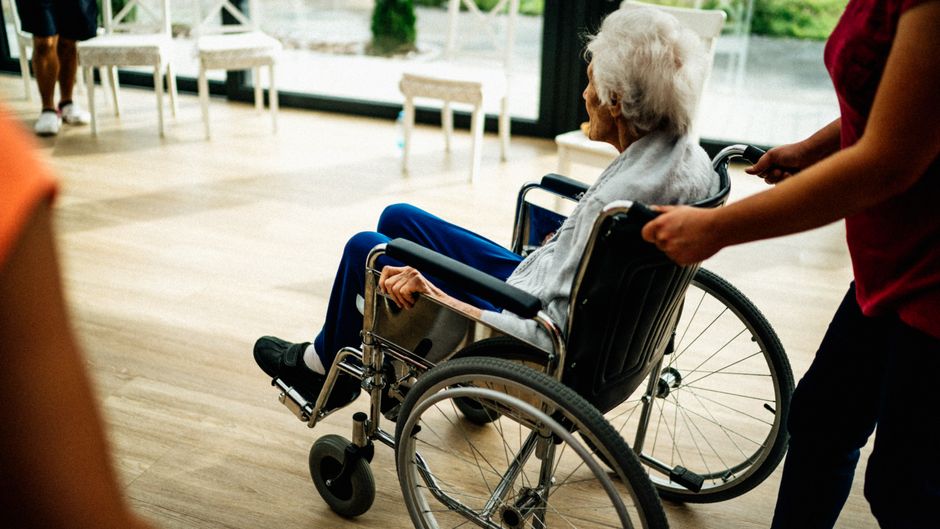
What Do Aged Care Facilities Cost in Singapore?
For a subsidised bed in a VWO-operated nursing home, Singapore Citizens can expect to pay between SGD $1,200 and $2,800 per month after means-testing subsidies are applied. The subsidy is calculated against the monthly household income per capita of the resident, and recipients with a per capita household income below SGD $1,100 can qualify for the highest subsidy tier. Without any subsidy, the same nursing home bed would cost between SGD $2,800 and $4,500 per month. Private nursing homes and premium aged care facilities sit higher again, with fees ranging from SGD $5,000 to over SGD $10,000 per month depending on room type, staffing ratios, and the extent of specialised care provided.
Short-term respite care, used by families who need temporary residential support for a loved one, typically runs from SGD $120 to $250 per day. Rehabilitation and physiotherapy services within a residential care setting are often bundled into the monthly fee at VWO facilities, but may be charged separately at private providers, adding SGD $300 to $800 per month to the total bill. Families planning for long-term care should also factor in one-time admission fees, medication charges, incontinence supplies, and transport to hospital appointments, all of which can add SGD $200 to $600 per month in additional expenses.
Price Breakdown by Service Level
| Service Level | What You Get | Typical Price Range (SGD/month) | Best For |
|---|---|---|---|
| Basic (Subsidised VWO) | Shared ward, basic nursing care, meals, personal hygiene assistance, social activities | $1,200 – $2,000 (post-subsidy) | Singapore Citizens with lower household income who meet means-testing criteria |
| Standard (Partial Subsidy or VWO Private Rate) | Shared or semi-private room, nursing care, rehabilitation access, dementia support programmes | $2,500 – $4,500 | Families who partially qualify for subsidies or choose VWO facilities at unsubsidised rates |
| Premium (Private Facility) | Single or twin rooms, higher nurse-to-resident ratios, physiotherapy, specialist medical access, enrichment programmes | $5,000 – $8,000 | Families prioritising privacy, specialised dementia care, or higher staffing levels |
| High-End / Luxury | Hotel-style private suites, concierge services, in-house doctors, advanced rehabilitation, tailored activity programmes | $8,000 – $10,000+ | Residents requiring intensive medical oversight in a premium residential environment |

What Affects the Cost of Aged Care Facilities in Singapore?
Type of facility and operator
VWO-run nursing homes receive government funding and are required to accept subsidised residents, keeping base fees lower than privately operated facilities. Private providers set their own rates and typically invest more in physical environments, staffing ratios, and specialised programmes. The difference in monthly fees between a VWO facility and a premium private home can exceed SGD $6,000 for comparable levels of nursing care.
Level of care required
A resident who needs basic supervision and help with daily activities will cost less to care for than one requiring full-time nursing, wound care, tube feeding, or intensive dementia management. Facilities assess each resident on admission and assign a care level that directly influences the monthly fee. Residents with complex medical needs or severe mobility limitations will generally sit at the higher end of any facility’s fee schedule.
Government subsidies and means-testing
The Singapore Government, through the AIC, provides means-tested subsidies for Singapore Citizens and Permanent Residents residing in approved nursing homes. The subsidy tier is determined by the monthly household income per capita of the resident. Families with a per capita income below SGD $1,100 may receive subsidies of up to 75% or more of the standard fee. Permanent Residents receive lower subsidy rates than citizens, and non-residents receive no subsidy at all.
Room type and facility amenities
Shared wards with six or more beds are the most affordable option within any facility. Semi-private rooms with two to three beds cost more, and single-occupancy rooms carry a significant premium. At private facilities, single suites with en-suite bathrooms, air-conditioning, and external views can add SGD $1,500 to $3,000 per month compared with a standard shared room in the same building.
Rehabilitation and specialist services
Physiotherapy, occupational therapy, and speech therapy are increasingly integrated into nursing home and residential care settings in Singapore. At VWO facilities, these services are often included in the standard fee. At private providers, each discipline may be charged separately, typically at SGD $80 to $150 per session, or bundled into a monthly rehabilitation package. Residents recovering from a stroke, hip fracture, or major surgery will require frequent sessions, and this cost accumulates quickly.
How to Get Accurate Quotes
- Contact the Agency for Integrated Care (AIC) directly or use their online CareShield Life and ElderShield assessment tools to establish what subsidies your loved one is eligible for before approaching any facility.
- Request an itemised fee schedule from each facility you visit, covering the base monthly fee, room type surcharges, medication charges, incontinence supplies, and any rehabilitation or therapy fees billed separately.
- Arrange an in-person assessment visit so the facility’s medical social worker can evaluate your loved one’s care needs. The care level assigned at this stage determines which fee tier applies and whether additional charges will be levied.
- Ask each facility whether they accept ElderShield or CareShield Life payouts to offset monthly costs, and whether MediSave can be used for the medical components of care.
- Compare at least three facilities across different operator types (VWO, private, and hospital-affiliated) so you have a clear picture of what the same level of care costs across the market before making a commitment.
Red Flags to Watch Out For
- A facility that quotes a single flat monthly fee without any itemised breakdown of what is and is not included is likely to add significant charges once your loved one is admitted.
- Facilities that cannot clearly explain their subsidy application process or claim that subsidies are unavailable at their site should be questioned carefully. Approved VWO nursing homes are required to facilitate subsidy applications for eligible residents.
- Staff-to-resident ratios that are not disclosed on request, or facilities that cannot confirm the nursing qualifications of their care team, are a concern for any resident with moderate to high care needs.
- Contracts that require large upfront deposits (above one to two months’ fees) without a clear refund policy if the resident passes away or transfers to another facility early in the stay.
- Facilities with no structured dementia care programme but that market themselves as accepting residents with cognitive decline. Dementia care requires specific staff training and physical environments that not all facilities maintain.
- Very low monthly fees that sit significantly below the SGD $1,200 floor for subsidised care may indicate unlicensed or non-MOH-approved operators. Only facilities licensed by the Ministry of Health are authorised to provide residential nursing care in Singapore.

Frequently Asked Questions
How much do aged care facilities cost in Singapore on average?
The average monthly cost for a Singapore Citizen in a subsidised VWO nursing home sits between SGD $1,500 and $2,800 after means-tested subsidies are applied. Without subsidies, or in a private facility, expect to pay between SGD $3,500 and $6,000 per month for standard care. Premium private facilities can exceed SGD $10,000 per month for residents with complex medical or dementia-related needs.
Why are some aged care facilities prices so much cheaper?
The most significant reason for lower fees is government subsidisation. VWO-operated nursing homes receive direct funding from the Singapore Government and are required to offer subsidised beds to eligible Singapore Citizens and Permanent Residents. The subsidy amount is means-tested against household income, so a family with a low per capita monthly income may find their out-of-pocket costs are a fraction of the facility’s actual operating fee. Some facilities also benefit from donations and charitable funding that allow them to absorb costs that would otherwise be passed to residents.
Is it worth paying more for aged care facilities in Singapore?
It depends on the specific needs of the person receiving care. For residents with straightforward nursing needs, a well-run VWO facility often provides equivalent clinical care to a private home at a much lower cost. The premium at private facilities is largely reflected in physical environment, room privacy, staffing ratios, and the breadth of rehabilitation and enrichment programmes on offer. For residents with dementia, mobility impairment, or complex medical conditions requiring intensive oversight, the additional staffing and specialist access at higher-priced facilities can make a meaningful difference to day-to-day quality of life.
Making a Financially Sound Decision
Planning for aged care in Singapore requires a clear-eyed look at both current care needs and the likelihood that those needs will increase over time. Starting with a formal AIC assessment, understanding what subsidies apply, and comparing facilities across operator types gives families the information they need to make a sustainable financial commitment. The gap between the lowest and highest monthly fees in the market is substantial, but that gap is not simply a reflection of quality. With the right subsidies in place, a VWO nursing home can deliver attentive, medically sound residential care at a cost that most Singapore families can plan for responsibly.