
Quick price summary: Aged Care Facilities in Singapore (2026)
- Low end: SGD $1,200 – $1,800 per month (subsidised nursing home, VWO-run)
- Mid-range: SGD $2,800 – $4,500 per month (standard private or restructured facility)
- High end / enterprise: SGD $5,000 – $10,000+ per month (premium private facility with specialist dementia or rehabilitation care)
Prices in Singapore Dollars (SGD). Last updated 2026.
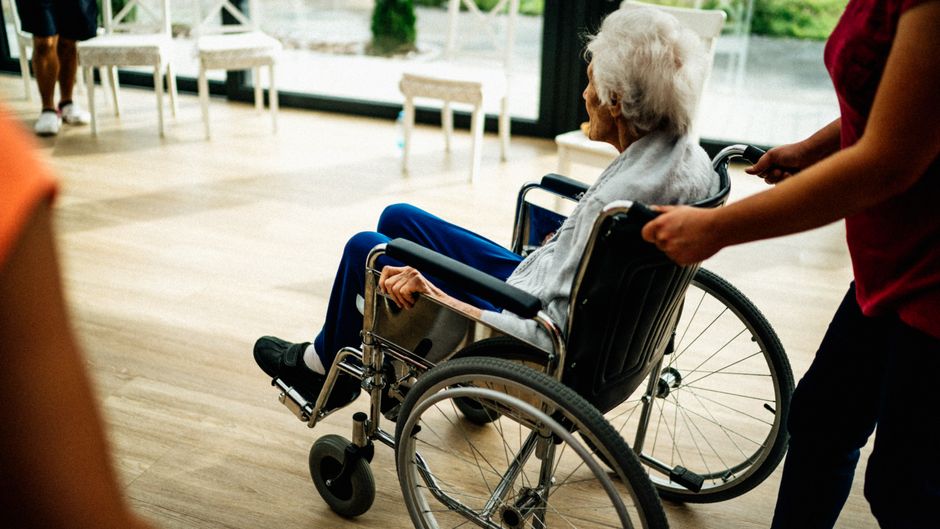
Aged care facilities in Singapore cover a broad spectrum of residential and nursing care services for elderly Singaporeans and permanent residents who can no longer be fully supported at home. This includes nursing homes providing round-the-clock medical and personal care, community hospitals offering short-term rehabilitation, dementia care wards, and respite care programmes for families who need temporary relief from caregiving responsibilities. The fees you pay depend heavily on whether the facility is run by a Voluntary Welfare Organisation (VWO), a restructured provider, or a fully private operator.
Costs vary significantly because Singapore’s aged care system is structured around government subsidies, means-testing based on monthly household income per capita, and the level of nursing care required. A Singapore citizen with limited household income staying in a VWO-run nursing home may pay as little as SGD $300 to $400 per month out of pocket after subsidies. A family choosing a private premium facility with specialised dementia or rehabilitation care will face fees several times higher, with little or no subsidy applied. Understanding where your loved one sits within this system is the first step to planning accurately.
What Do Aged Care Facilities Cost in Singapore?
The published monthly fees for nursing homes in Singapore before subsidies typically range from SGD $1,200 to $4,500 per month for standard residential nursing care. VWO-operated nursing homes generally charge between SGD $1,200 and $2,500 per month at the base rate, while private nursing homes and premium eldercare facilities charge SGD $3,500 to $10,000 or more per month depending on room type, staffing ratios, and the level of medical or rehabilitation support provided. Respite care stays, which are short-term arrangements lasting days to weeks, are usually charged at a daily rate of SGD $80 to $250 per day.
Government subsidies can reduce out-of-pocket costs substantially for eligible Singapore citizens and permanent residents. The Ministry of Health (MOH) applies means-testing to determine the subsidy tier, with monthly household income per capita being the primary criterion. For Singapore citizens in VWO-run homes, subsidies can cover 50% to 75% of the base fee, bringing net monthly costs down to the SGD $300 to $800 range for lower-income households. Permanent residents receive lower subsidy levels. Private facility residents generally do not receive MOH nursing home subsidies, meaning families bear the full cost.
Price Breakdown by Service Level
| Service Level | What You Get | Typical Price Range (SGD/month) | Best For |
|---|---|---|---|
| Basic (Subsidised VWO Nursing Home) | 24-hour nursing care, shared ward, meals, basic medical monitoring, personal care assistance | $300 – $800 (after subsidy); $1,200 – $1,800 before subsidy | Singapore citizens with lower household income who qualify for MOH subsidies |
| Standard (Restructured or Mid-Tier Private) | Nursing care, semi-private or single room options, physiotherapy, social activities, doctor visits | $2,800 – $4,500 | Families seeking a balance of care quality and cost, with partial subsidy eligibility |
| Premium (Private Facility) | Single en-suite room, higher staff-to-resident ratio, specialist dementia care, in-house rehabilitation, lifestyle programmes | $5,000 – $8,000 | Families prioritising comfort, privacy, and specialised care without subsidy reliance |
| High-End / Specialist Care | Dedicated dementia wards, full rehabilitation including physiotherapy and occupational therapy, palliative care, concierge-style family support | $8,000 – $10,000+ | Residents with complex medical needs, advanced dementia, or post-acute rehabilitation requirements |

What Affects the Cost of Aged Care Facilities in Singapore?
Facility Type and Operator
VWO-run nursing homes receive government funding and must comply with MOH fee caps for subsidised beds, making them the most affordable option for eligible residents. Private operators set their own fees without a cap, reflecting higher staffing ratios, superior amenities, and specialist programmes. Restructured facilities fall between the two, often offering some subsidy eligibility alongside higher-quality amenities than most VWOs.
Level of Nursing and Medical Care Required
Residents requiring intensive nursing care, dementia-specific supervision, tube feeding, wound management, or post-hospitalisation rehabilitation will incur higher fees than those needing basic personal care and daily supervision. Facilities that provide full in-house rehabilitation services, including physiotherapy, occupational therapy, and speech therapy, charge premiums that can add SGD $500 to $1,500 per month to the base rate.
Room Type and Occupancy
Shared ward beds in a four- to six-bed room carry the lowest fees and are typically the beds eligible for MOH subsidies. Single rooms and en-suite private rooms attract significantly higher rates, often SGD $1,000 to $3,000 more per month, and subsidy eligibility may not extend to these room classes depending on the facility and its MOH licensing arrangements.
Means-Testing and Household Income
The Singapore government calculates subsidy levels based on the monthly household income per capita of the resident and their immediate family. Households with a per-capita income below SGD $1,100 per month qualify for the highest subsidy tier. Households above SGD $2,801 per month per capita receive reduced or no subsidy. Families should request a means-testing assessment through a Medical Social Worker at a hospital or polyclinic before committing to a facility.
Additional Services and Charges
Base nursing home fees typically cover accommodation, meals, nursing care, and basic medical monitoring. Additional charges apply for specialist outpatient appointments, incontinence supplies beyond a set monthly allocation, escort services to external medical appointments, and optional enrichment activities. These extras can add SGD $200 to $800 per month on top of the quoted facility rate, so families should request a full schedule of charges before signing any admission agreement.
How to Get Accurate Quotes
- Contact the Agency for Integrated Care (AIC) at 1800-650-6060 or through the AIC website to get a list of MOH-licensed nursing homes in your preferred area and to understand subsidy eligibility before approaching individual facilities.
- Request a Medical Social Worker referral from your loved one’s hospital or polyclinic. Social workers will conduct a means-testing assessment, advise on subsidy tiers, and often assist with the application and placement process for subsidised nursing home beds.
- Visit at least two to three facilities in person. Ask each provider for a written fee schedule that clearly separates the base monthly charge from all additional fees including incidentals, therapies, and escort costs.
- Clarify the level of nursing care your loved one currently needs and ask each facility how fees increase if care needs escalate. Understanding the fee structure for residents who develop dementia or require more intensive nursing care will prevent unexpected cost increases later.
- Check whether your loved one holds ElderShield or CareShield Life coverage, as monthly disability payouts from these schemes can be used to offset nursing home fees. Confirm this directly with CPF Board or the insurer before finalising placement.
Red Flags to Watch Out For
- Facilities that cannot provide a written, itemised fee schedule on request. Any provider unwilling to put costs in writing before admission should be approached with caution.
- Quoted monthly fees that appear unusually low without a clear explanation of subsidy eligibility. A rate that seems too affordable compared to the market average often means undisclosed additional charges will appear after admission.
- High staff turnover that is visible during your facility visit, such as agency staff making up the majority of care workers on a given day. Consistent, trained staff are directly linked to care quality for elderly residents, especially those with dementia.
- Admission agreements that include clauses allowing unilateral fee increases with minimal notice. Any agreement should specify the notice period for fee changes and the process for disputing increases.
- Facilities that cannot clearly explain their rehabilitation services or confirm whether physiotherapy and occupational therapy are provided in-house or outsourced. Outsourced therapy often means less frequent sessions and additional per-session charges not included in the base fee.
- Pressure to commit to a placement before a proper care needs assessment has been completed. A reputable facility will support a thorough assessment before admission rather than push for fast sign-up.

Frequently Asked Questions
How much do aged care facilities cost in Singapore on average?
For a Singapore citizen in a VWO-run subsidised nursing home, the net monthly cost after government subsidies typically falls between SGD $300 and $800, depending on household income per capita and room type. Without subsidies, or in a private facility, families should budget SGD $2,800 to $6,000 per month for standard nursing care. Specialist dementia care or intensive rehabilitation at a premium private facility can reach SGD $8,000 to $10,000 or more per month.
Why are some aged care facilities prices so much cheaper?
The primary reason is government subsidy. VWO-run nursing homes operate under MOH licensing that includes funding support, allowing them to offer subsidised beds to eligible Singapore citizens at rates well below market cost. These facilities also tend to operate shared wards rather than private rooms, keeping overheads lower. Private facilities offering similar or lower rates to VWOs without a clear subsidy explanation are worth investigating carefully, as the cost difference may be reflected in staffing levels, meal quality, or the availability of medical and rehabilitation services.
Is it worth paying more for aged care facilities in Singapore?
It depends on the specific needs of your loved one and your family’s financial position. For residents with complex medical needs, advanced dementia, or a strong requirement for regular physiotherapy and rehabilitation, a higher-cost facility with specialist staff and dedicated programmes often delivers meaningfully better outcomes and quality of life. For residents who need primarily personal care and basic nursing support, a well-run subsidised VWO facility can provide excellent care at a fraction of the private cost. The key is matching the level of care provided to the actual needs of the resident, rather than assuming higher fees always translate to better care.
Planning for aged care in Singapore requires a clear understanding of the subsidy system, the range of available facilities, and the true total cost including all ancillary charges. Starting the process early, before a crisis point, gives families time to assess options, complete means-testing, and secure a placement that suits both the care needs of their elderly loved one and the long-term financial capacity of the household. Engaging a Medical Social Worker through the public health system is one of the most practical first steps any family can take.