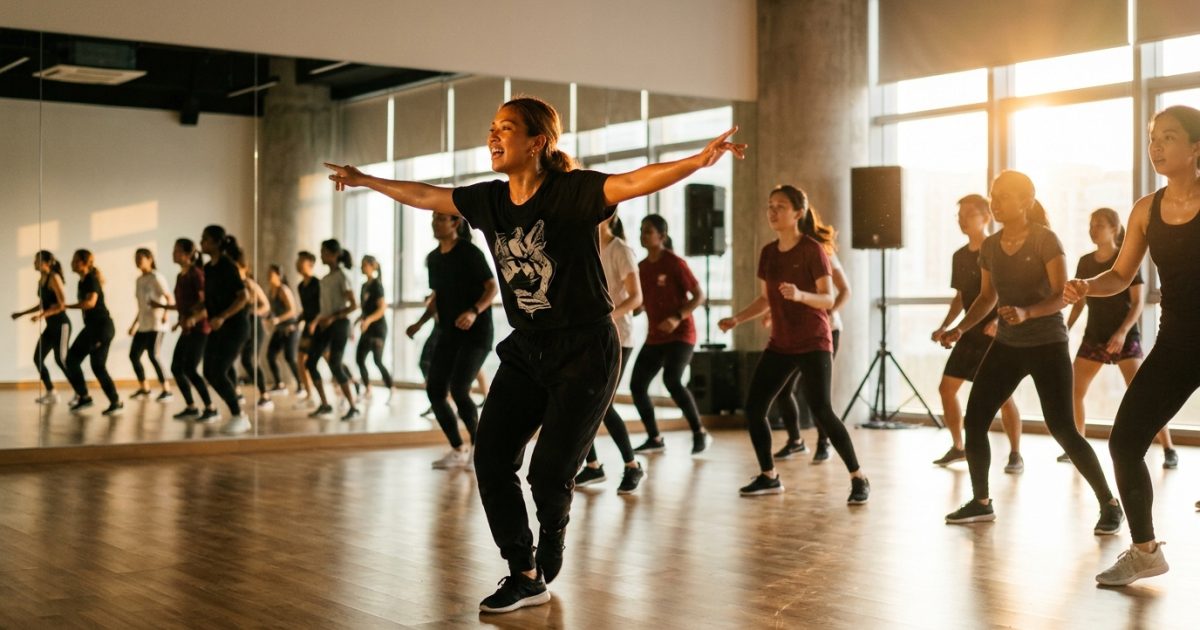
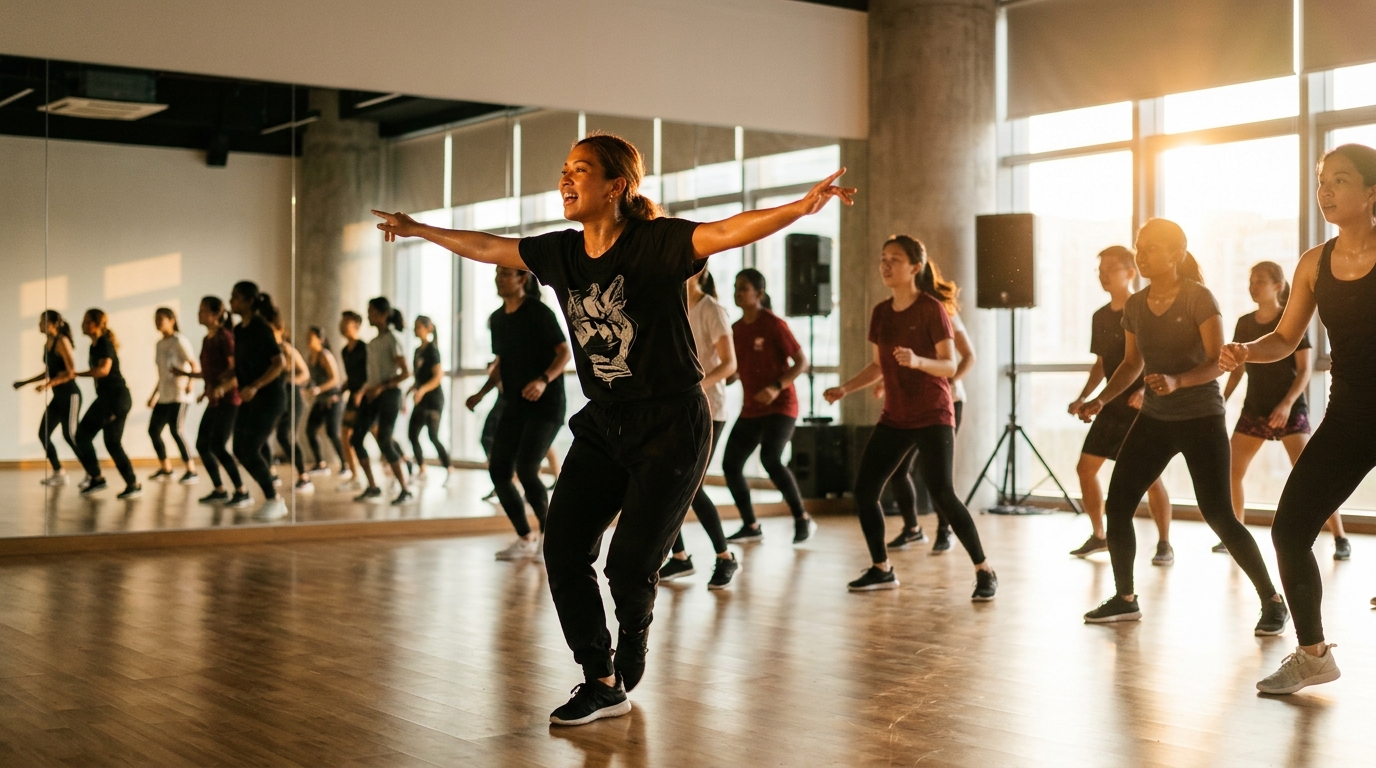
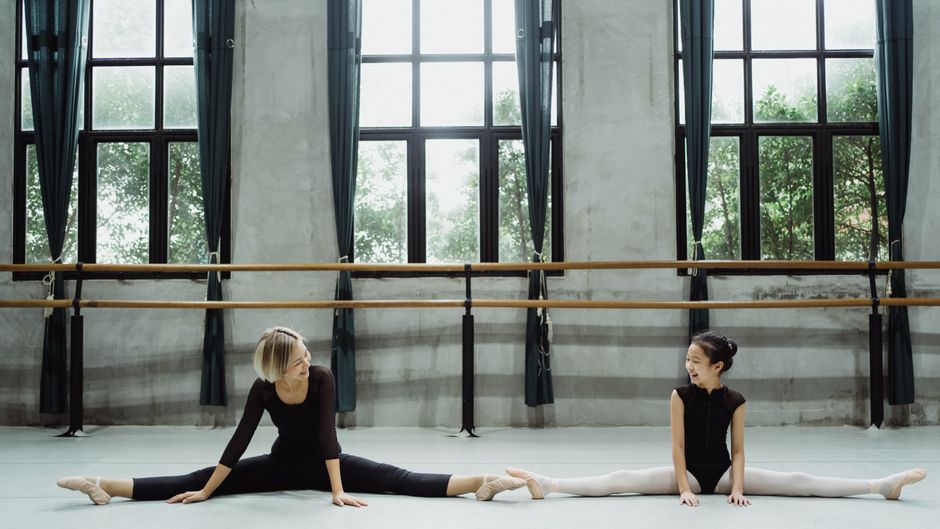
A dance studio provides structured classes, qualified instruction, and a dedicated space for students of all ages and skill levels to learn and develop across styles ranging from ballet and hip hop to contemporary and Latin. Choosing the wrong studio can mean wasted fees, poor technique habits that take years to correct, or an environment that kills a student’s enthusiasm before it has a chance to grow.
What to Look for in a Dance Studio in Singapore
Licensing and Credentials
Check that instructors hold recognised dance teaching qualifications from bodies such as the Royal Academy of Dance (RAD), Imperial Society of Teachers of Dancing (ISTD), or equivalent certifications relevant to the style taught. Studios operating in Singapore should also be registered with ACRA, confirming they are a legitimate business entity.
Insurance and Public Liability
A reputable studio carries public liability insurance that covers students in the event of injury on the premises. Always ask for written confirmation of this cover before enrolling, particularly for younger children or students undertaking physically demanding styles.
Experience and Specialisation
A studio that has been running for five or more years in Singapore, with instructors who have performed or competed at a credible level, carries a different weight than one that opened recently with minimal track record. Match the studio’s specialisation to your actual goal, whether that is competitive ballroom, recreational K-pop, or pre-school movement classes.
Reviews and Word of Mouth
Google reviews, parent forums such as KiasuParents, and community Facebook groups specific to Singapore’s dance scene are reliable starting points. Look for consistent comments about instructor quality and communication rather than one-off praise or complaints.
Transparent Quoting
Fees should be clearly broken down to include registration costs, monthly or term fees, costume charges, examination fees, and any compulsory recital participation costs. Studios that bundle everything with no itemisation make it difficult to compare value and can spring significant charges on students mid-enrolment.
Warranty and Guarantees
Better studios will offer a trial class or a defined refund period if the course is not suitable, particularly for children being placed into group classes. Get any satisfaction or refund policy in writing before you pay a registration deposit.
Questions to Ask Before Hiring
- What qualifications do the instructors hold, and are they current?
- What is the student-to-instructor ratio in group classes, and how are students grouped by age and ability?
- Are there any compulsory additional costs beyond the published class fees, such as examinations, costumes, or annual concerts?
- What is your refund or transfer policy if my child cannot continue mid-term?
- Do you hold public liability insurance, and can you provide documentation?
- How long have your lead instructors been teaching this specific style in Singapore?
- Can I attend a trial class or observe a session before committing to a full term?
Red Flags to Watch Out For
- Red flag: The studio cannot name or document the qualifications of its instructors when asked directly.
- Red flag: Fees are vague or change after enrolment, with surprise costs for costumes, examinations, or compulsory events added once you have already paid.
- Red flag: There is no trial class option and the studio requires payment for a full term or semester upfront before any experience of the teaching quality.
- Red flag: Online reviews consistently mention high instructor turnover, which disrupts progression and suggests management or working condition problems.
- Red flag: The studio has no clear policy on what happens if a class is cancelled, or routinely replaces qualified instructors with unqualified substitutes without notice.
Frequently Asked Questions
How long does it take to find a good Dance Studio in Singapore?
Most people can shortlist two or three credible studios within a week using online directories, Google Maps reviews, and community recommendations. Allow another one to two weeks to attend trial classes and compare before making a final decision.
What’s the average cost of a Dance Studio in Singapore?
Group classes in Singapore typically range from SGD 80 to SGD 200 per month depending on style, class frequency, and the studio’s location. Private one-on-one tuition runs considerably higher, often between SGD 80 and SGD 180 per hour. Examination preparation courses, concert participation fees, and costume costs can add SGD 150 to SGD 500 or more per year on top of standard fees.
Do I need to get multiple quotes for Dance Studios in Singapore?
Comparing at least two or three studios is worthwhile, as fee structures, class sizes, and teaching quality vary significantly across Singapore’s market. A lower monthly fee does not always represent better value if examination and costume costs are high or class sizes are large.
Choosing a dance studio comes down to verified instructor credentials, transparent fee structures, appropriate insurance, and a teaching style that matches the student’s goals and age group. Take the time to attend a trial class, read recent reviews, and ask direct questions about costs before committing. For a curated list of well-regarded options, see the Best Dance Studios in Singapore (2026).