Quick price summary: Restaurants in Singapore (2026)
- Low end: SGD $4–$14 per person (hawker centres, food courts, fast food chains)
- Mid-range: SGD $20–$60 per person (casual dining, international cuisine restaurants)
- High end / enterprise: SGD $80–$300+ per person (fine dining, omakase, celebrity chef restaurants)
Prices in Singapore Dollars (SGD). Last updated 2026.
Singapore offers one of the most varied dining landscapes in Asia, ranging from SGD $2 plates of chicken rice at a neighbourhood hawker centre to multi-course tasting menus that exceed SGD $300 per head. The city’s food scene spans hawker stalls, food courts, fast food chains like KFC and Burger King, family-style casual restaurants, and Michelin-starred establishments — all within a few kilometres of each other. Understanding where your meal falls on this spectrum helps you plan a realistic food budget, whether you are a resident eating out daily or a visitor exploring the city’s cuisine.
Prices vary considerably based on format, location, cuisine type, and service level. A plate of fried chicken from a hawker stall costs a fraction of what the same concept commands at a full-service restaurant. Imported ingredients, prime real estate in areas like Orchard Road or Marina Bay, and alcohol markups all push costs upward. On the other end, food courts operated by brands like Kopitiam or Foodfare keep prices accessible through subsidised rent models and high-volume turnover. Knowing which variables affect your bill lets you eat well in Singapore at almost any budget.

What Do Restaurants Cost in Singapore?
The cheapest meals in Singapore come from hawker centres and food courts, where a full plate of fried chicken rice, laksa, or char kway teow typically costs between SGD $3.50 and $6. Fast food chains like KFC, Burger King, and McDonald’s sit slightly higher, with combo meals generally priced between SGD $9 and $14 depending on the outlet and meal deal. These options dominate daily eating for many Singaporeans and provide consistent quality at predictable prices. Kopitiam-style coffee shops and food courts in heartland malls offer a similar price range, usually SGD $4 to $10 for a main dish.
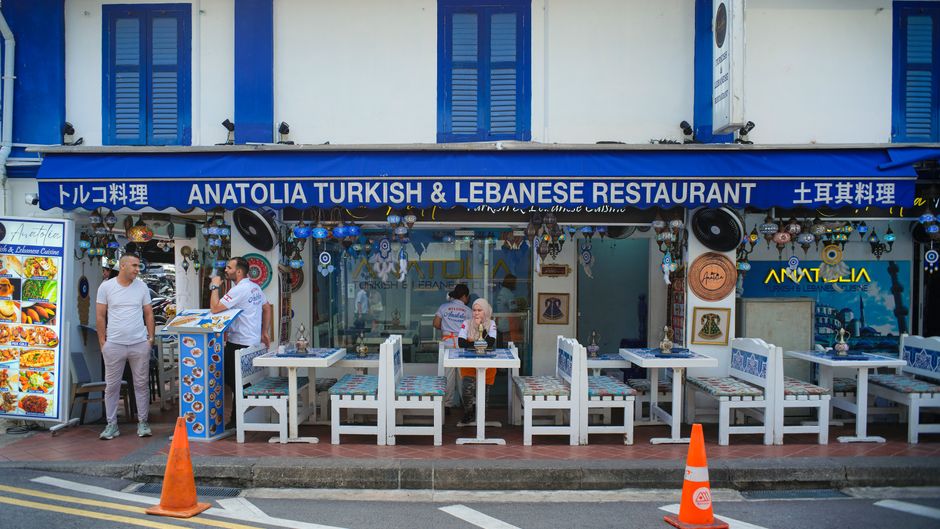
Casual sit-down restaurants serving international cuisine — Japanese ramen, Korean barbecue, Italian pasta, or modern Asian fare — typically charge SGD $20 to $60 per person before drinks and service charge. Most restaurants in Singapore apply a 10% service charge plus the standard 9% Goods and Services Tax (GST), so always factor in roughly 19% on top of menu prices. Fine dining establishments, particularly those in hotels or with Michelin recognition, commonly price set menus between SGD $120 and $300 per person. Omakase sushi counters and private dining experiences can exceed SGD $400 per person for premium sittings.
Price Breakdown by Service Level
| Service Level | What You Get | Typical Price Range (per person) | Best For |
|---|---|---|---|
| Budget (Hawker / Food Court) | Self-service stalls, local dishes like chicken rice, fried chicken, laksa, kway teow. Brands include Kopitiam and Foodfare food courts. | SGD $3.50 – $10 | Daily meals, locals, budget travellers |
| Fast Food Chains | Counter-service meals from Burger King, KFC, McDonald’s, and local chains. Combo meals with fried chicken, burgers, and sides. | SGD $8 – $14 | Quick meals, families, consistent pricing |
| Mid-Range Casual Dining | Table service, varied menus including international cuisine (Japanese, Korean, Western, Indian). Air-conditioned, licensed for alcohol. Service charge and GST apply. | SGD $20 – $60 | Date nights, social dining, tourists wanting variety |
| Premium / Fine Dining | Multi-course set menus, wine pairings, Michelin-recognised or celebrity chef concepts, hotel restaurants, omakase counters. Full service with sommelier and dedicated waitstaff. | SGD $85 – $300+ | Special occasions, corporate entertainment, food enthusiasts |
What Affects the Cost of Restaurants in Singapore?
Location and rental costs
Restaurant rent in Singapore is among the highest in Asia. Outlets in Orchard Road, Marina Bay Sands, Clarke Quay, or Raffles Place pay substantially more per square foot than those in suburban heartland areas or industrial estates. These costs flow directly into menu prices. A bowl of ramen in Tanjong Pagar might cost SGD $16, while a comparable bowl in a Jurong food court costs SGD $8. Shopfront cafes and restaurants in tourist-heavy districts routinely charge a location premium of 20–40% above equivalent food in residential neighbourhoods.
Ingredients and food sourcing
Singapore imports over 90% of its food, which means ingredient costs are sensitive to global supply chains, shipping, and currency movements. Restaurants serving premium imported proteins — Japanese wagyu, Norwegian salmon, French duck — face higher base costs than those built around local produce or regionally sourced groceries. Sustainability-focused restaurants that source certified or ethically produced ingredients also carry a cost premium. Menus built around locally grown vegetables or farmed seafood from regional producers are becoming more common, and these can offer better value without sacrificing quality.
Cuisine type and kitchen complexity
Simple cuisines with short preparation times — basic fried chicken, noodles, or rice dishes — carry lower labour and equipment costs than restaurants serving complex international cuisine requiring specialist chefs or imported cookware. A multi-course French tasting menu requires a brigade kitchen, trained pastry staff, and lengthy preparation times. That cost structure differs entirely from a hawker stall serving a single dish at volume. Cuisine complexity is one of the most direct predictors of what you will pay per plate.
Service model and staffing
Full table service with trained waitstaff, wine knowledge, and reservation systems adds measurable cost to a restaurant’s operations. Singapore’s tight labour market and foreign worker levy system make staffing particularly expensive for full-service restaurants. The 10% service charge applied by most sit-down establishments reflects this directly. Food courts and hawker stalls operate on self-service models, which removes this cost layer entirely and keeps per-meal prices low.
Licences, taxes, and compliance
Restaurants holding liquor licences, operating late-night hours, or running in certain commercial zones face additional regulatory costs. The 9% GST applies to all restaurant meals in licensed premises, and food safety compliance, NEA licensing, and periodic inspections add to operational overheads. These costs are less visible to diners but contribute to the price gap between a licensed restaurant and an unlicensed hawker stall.
How to Get Accurate Quotes
- Check the restaurant’s menu online before visiting. Most Singapore restaurants publish prices on their own websites or on platforms like Chope, Oddle, or Google Business profiles. Confirm whether prices shown are before or after GST and service charge.
- For group bookings or private dining events, contact the restaurant directly by phone or email and ask for a set menu or minimum spend per head. Many restaurants offer package pricing for tables of six or more.
- Compare prices across dining platforms. Chope, HungryGoWhere, and Eatigo often list current menu prices and promotional rates. Eatigo in particular offers time-based discounts of up to 50% at participating restaurants.
- Ask specifically whether the quoted price includes service charge and GST. The difference between a SGD $40 per person menu and the final bill including both charges can exceed SGD $47.60, which matters when budgeting for groups.
- For fine dining or omakase, confirm cancellation and deposit policies before confirming. Many premium Singapore restaurants require a credit card deposit of SGD $50–$150 per person, which is non-refundable within 48 hours of the reservation.
Red Flags to Watch Out For
- Menu prices displayed without any mention of GST or service charge. In Singapore, the norm is to add both, and restaurants that obscure this are likely presenting artificially low headline prices.
- Restaurants in tourist areas with no price list displayed outside or at the entrance. Verbal quotes at the door without a written menu are a common setup for inflated bills, particularly around Chinatown and Bugis tourist strips.
- Set menus or lunch deals advertised at low prices with a long list of exclusions or surcharges for bread, water, or service that are standard inclusions elsewhere.
- Food courts or stalls that cannot display a valid NEA food hygiene licence. All Singapore food businesses are required to display this certificate. Its absence indicates the stall may be operating outside normal compliance requirements.
- Online reviews that are disproportionately recent and uniformly positive, with no older reviews. This pattern can indicate purchased reviews rather than genuine diner feedback, which makes pricing claims harder to verify.
- Restaurants quoting prices in USD rather than SGD without explanation. While some high-end establishments cater to international clientele, foreign currency billing without disclosure is uncommon and worth clarifying before you order.
Frequently Asked Questions
How much do restaurants cost in Singapore on average?
The average cost of eating out in Singapore depends heavily on the format. A typical hawker or food court meal costs SGD $4 to $10 per person. A casual sit-down restaurant will generally cost SGD $25 to $50 per person including a drink, service charge, and GST. Fine dining runs SGD $120 to $300 per person for a full set menu. Across all formats, a reasonable daily food budget for someone eating three meals out is SGD $20 to $40 at the budget end, or SGD $80 to $150 for a mix of mid-range and one nicer meal.
Why are some restaurants prices so much cheaper?
Price differences between Singapore restaurants come down to a few structural factors. Hawker centres and food courts benefit from government-subsidised rents and high-volume single-dish menus that keep costs low. Fast food chains like Burger King and KFC use centralised supply chains and standardised processes to maintain consistent low prices across all outlets. Restaurants in suburban or industrial areas pay less rent than those in central or tourist-heavy locations. Self-service models remove staffing costs entirely. A meal at a food court costs a fraction of one at a hotel restaurant serving a similar cuisine largely because of these operational differences, not necessarily ingredient quality.
Is it worth paying more for restaurants in Singapore?
Paying more at a Singapore restaurant delivers measurable differences in ambience, service, ingredient quality, and cuisine variety that hawker stalls or fast food chains cannot match. For everyday meals, hawker food in Singapore is genuinely excellent and offers some of the best value-for-money eating in the world. For occasions where atmosphere, wine service, or international cuisine with specialist preparation matters, mid-range and premium restaurants justify the price difference. Singapore’s food courts and grocery options from supermarkets and hypermarkets also provide a middle ground for those who want quality ingredients at lower cost. Whether the premium is worth it depends on what you are eating out for.
Singapore’s restaurant prices in 2026 span a wider range than almost any other city in the region, which is one of its genuine strengths as a food destination. A family can eat well at a food court for SGD $30 total, or spend that amount per person at a casual international restaurant. Setting a clear budget before choosing where to eat, checking whether GST and service charge are included in quoted prices, and using booking platforms to access promotions will all help you get consistent value regardless of where you sit on the price spectrum.
For a curated list of top-rated providers, see our guide: Best Restaurants in Singapore (2026).